


Finding the right balance between energy efficiency and elevated ambiance often feels challenging for modern homeowners. As smart lighting systems now combine innovative LED and sensor networks, these technologies offer more than just bright rooms—they bring personalized control, enhanced safety, and cost savings without complicated installations. This guide breaks down the world of smart lighting, revealing how intelligent sensors and adaptive features can transform daily life while keeping energy use in check.
| Point | Details |
|---|---|
| Smart Lighting Enhances Control | Homeowners can adjust brightness, color, and schedules via apps or voice commands for personalized experiences. |
| Energy Efficiency Improvements | Smart lighting reduces energy waste by adapting to occupancy and natural light conditions through advanced sensors. |
| Increased Home Security | Automated lighting can simulate occupancy and respond to motion, enhancing safety and peace of mind. |
| Transformative Technology Shift | Smart lighting systems provide dynamic control, advanced features, and significant long-term savings compared to traditional solutions. |
Smart lighting systems represent a revolutionary approach to home illumination that goes far beyond traditional on/off switches. These advanced technologies integrate intelligent LED and sensor networks to transform how we interact with residential lighting environments.
At their core, smart lighting systems combine several key technological components:
Unlike conventional lighting, these systems dynamically adjust illumination based on real-time environmental conditions, user preferences, and energy efficiency goals. Artificial Intelligence of Things (AIoT) enables these systems to learn and adapt, creating personalized lighting experiences that enhance comfort and reduce energy consumption.
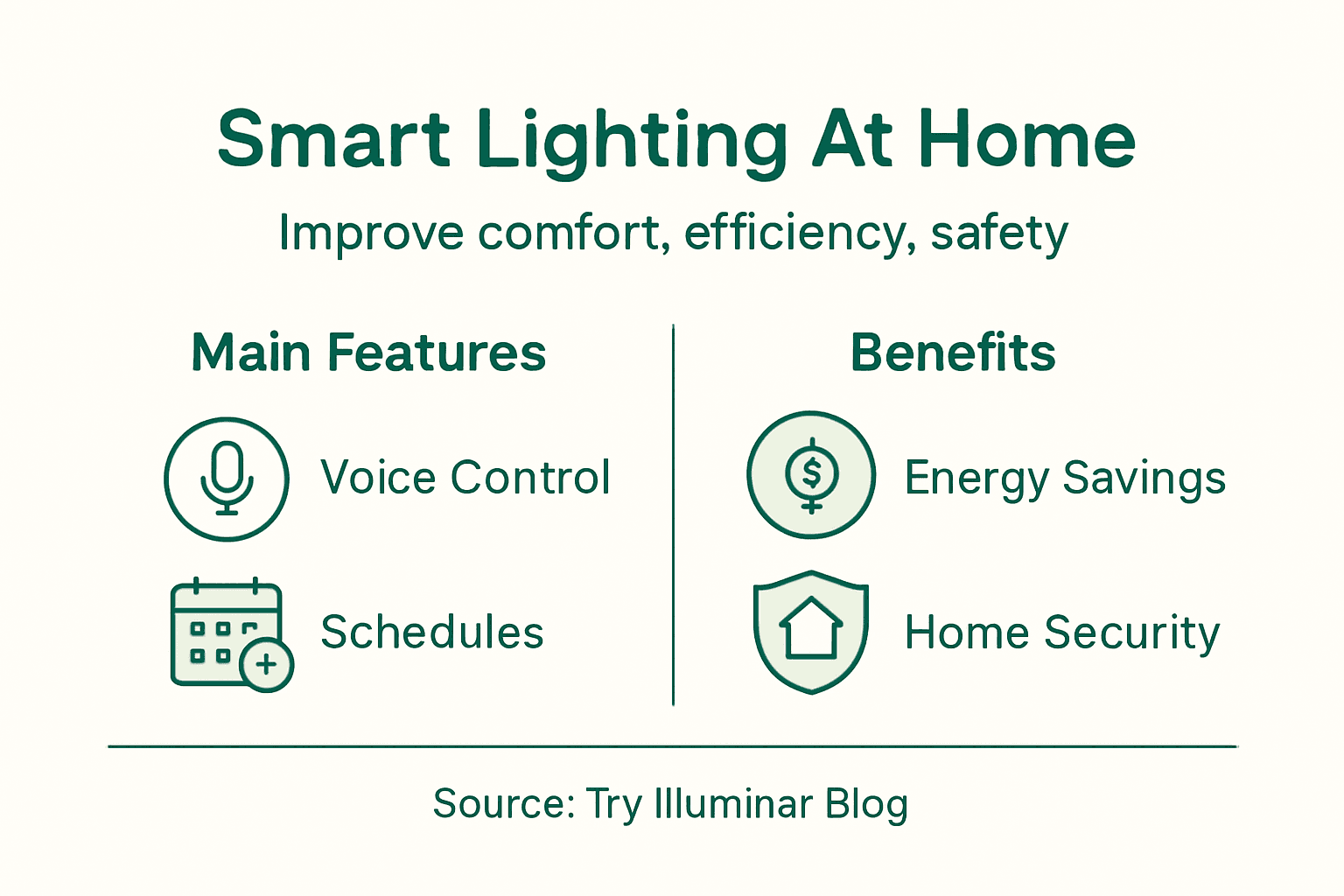
Modern smart lighting goes beyond simple illumination, functioning as a comprehensive home automation platform. Smart lighting infrastructure supports multiple functionalities, including safety monitoring, mood creation, and energy management. Homeowners can now control brightness, color temperature, and scheduling through smartphone apps or voice commands, transforming how we interact with our living spaces.
Pro tip: Start your smart lighting journey by selecting a system with flexible integration capabilities and robust sensor technologies to maximize home automation potential.
Smart home lighting technologies offer diverse solutions to transform residential environments, with multiple innovative lighting options designed to enhance functionality and aesthetics. These sophisticated systems go beyond traditional illumination, providing homeowners with unprecedented control and customization.
The primary types of smart lighting for residential spaces include:
Smart bulbs represent the most accessible entry point for homeowners, allowing color temperature and brightness adjustments through smartphone apps or voice commands. These versatile devices can be installed in existing fixtures without complex rewiring, making them an attractive option for those beginning their smart home journey.
Downlights and LED strips offer more specialized lighting experiences. Integrated downlights provide seamless ceiling installations with programmable scenes and group controls, while LED strips enable creative ambient lighting that can be tailored to room shapes and personal preferences. Security lights add an additional layer of functionality, using intelligent sensors to enhance home safety and energy efficiency.
Here’s a comparison of smart lighting types and their best use cases:
| Smart Lighting Type | Ideal Location | Unique Advantage |
|---|---|---|
| Smart Bulbs | Bedrooms, living rooms | Easy retrofit, app control |
| Smart Downlights | Kitchens, hallways | Built-in scenes, group settings |
| LED Light Strips | Under cabinets, behind TVs | Creative ambiance, flexible placement |
| Smart Security Lights | Entrances, driveways | Enhanced safety, motion activation |
| Smart Switches | Whole home | Centralized management, compatibility |
Pro tip: When selecting smart lighting, prioritize systems with cross-platform compatibility to ensure smooth integration with your existing smart home ecosystem.
Smart lighting technologies are revolutionizing energy consumption in residential spaces through advanced control strategies that optimize lighting efficiency. These intelligent systems go beyond traditional illumination by dynamically adjusting brightness, reducing unnecessary energy waste, and creating personalized lighting experiences.
Key energy-saving features of smart lighting include:
Intelligent sensor networks play a crucial role in maximizing energy efficiency. By continuously monitoring room occupancy and ambient light conditions, smart lighting systems can significantly reduce energy consumption through real-time adjustments. These systems use sophisticated algorithms to balance user comfort with energy conservation, automatically dimming or switching off lights when they are not needed.
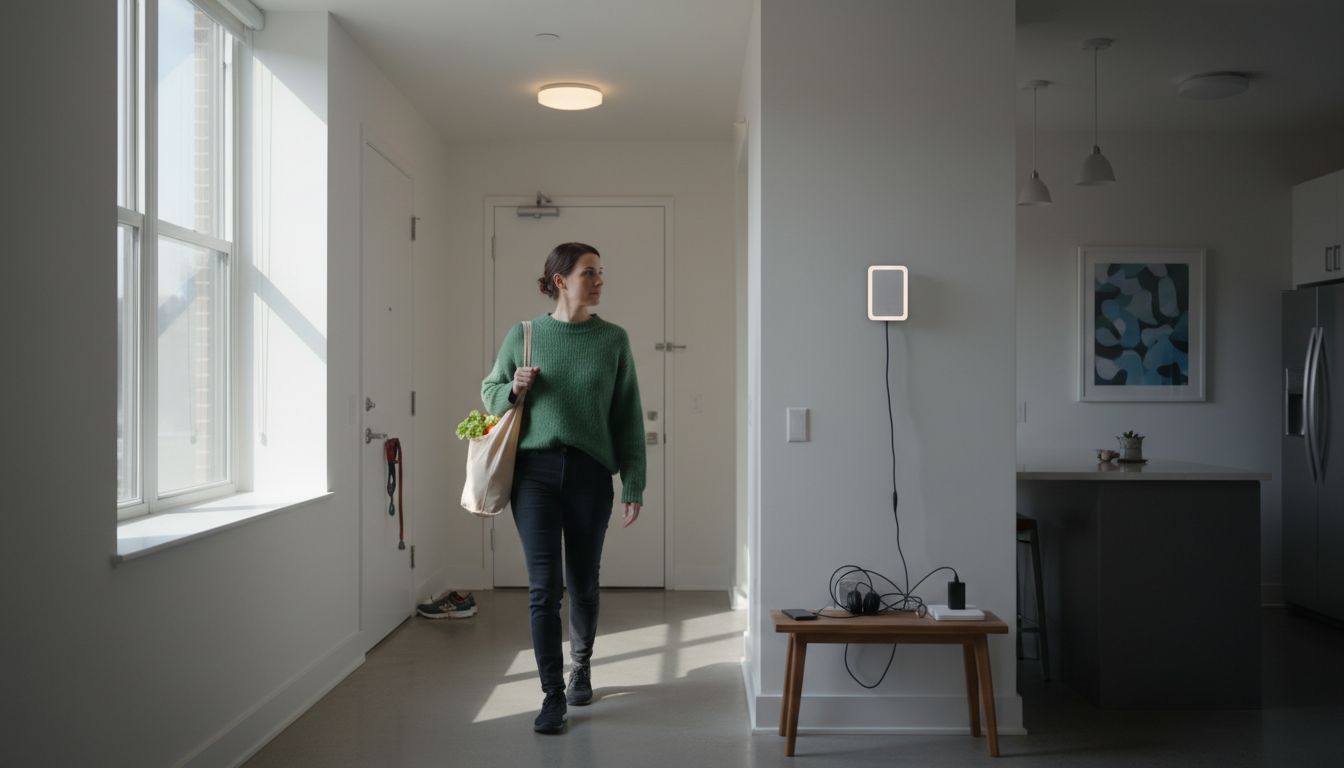
The long-term benefits extend beyond immediate energy savings. Smart lighting technologies help extend fixture lifespans, comply with stringent energy codes, and provide homeowners with granular control over their energy consumption. By integrating advanced sensors and adaptive technologies, these systems transform lighting from a static utility to an intelligent, responsive home management tool.
Pro tip: Implement a comprehensive smart lighting strategy by combining multiple energy-saving features and regularly analyzing your lighting usage patterns to maximize efficiency.
Smart lighting technologies extend far beyond simple illumination, transforming residential environments into intelligent living spaces. These advanced systems enhance safety, convenience, and overall quality of life through sophisticated automation and personalized control mechanisms.
Key lifestyle and safety benefits include:
Adaptive security technologies play a critical role in modern smart lighting systems. By dynamically responding to potential security threats, these intelligent networks provide homeowners with unprecedented peace of mind. Lights can automatically activate when unexpected movement is detected, creating a powerful deterrent against potential intruders and providing real-time awareness of household activities.
Beyond security, smart lighting dramatically improves daily living experiences. The ability to create custom lighting scenes, support natural circadian rhythms, and manage home environments remotely represents a significant leap in residential technology. These systems adapt to individual preferences, reduce manual interventions, and create more comfortable, responsive living spaces that anticipate and meet homeowner needs.
Pro tip: Design your smart lighting setup with layered functionality, combining security, comfort, and energy efficiency to create a truly intelligent home environment.
Smart lighting technologies represent a transformative leap beyond conventional home illumination systems. Unlike traditional lighting approaches that rely on simple manual switches and static functionality, these advanced solutions introduce dynamic, intelligent control mechanisms that fundamentally reshape how homeowners interact with their living spaces.
Key differences between traditional and smart lighting include:
Traditional lighting systems typically operate on basic electrical principles, offering minimal flexibility and energy management. In contrast, smart lighting provides dynamic control with significant efficiency gains, often reducing energy consumption by 25-50%. These intelligent systems utilize advanced sensors, real-time monitoring, and adaptive technologies to create responsive, personalized lighting environments.
The long-term value proposition of smart lighting extends beyond immediate convenience. While initial installation costs are higher, these systems deliver substantial benefits through reduced energy expenses, extended fixture lifespans, and enhanced home automation capabilities. Homeowners gain unprecedented control, transforming lighting from a basic utility to an integrated, intelligent home management tool that adapts to individual preferences and lifestyle needs.
Smart lighting delivers major advancements over traditional solutions—see how they differ in key areas:
| Aspect | Traditional Lighting | Smart Lighting |
|---|---|---|
| User Control | Manual switches only | App, voice, automation |
| Energy Management | Fixed usage | Adaptive sensors, scheduling |
| Customization | Single mode | Programmable scenes, colors |
| Long-Term Value | Basic utility | Extended lifespans, automation |
Pro tip: When transitioning to smart lighting, start by replacing high-traffic area fixtures to maximize immediate benefits and gradually expand your intelligent lighting network.
The article highlights how smart lighting transforms home living by enhancing safety, convenience, and energy efficiency through advanced sensor technologies and customizable control options. If you want to overcome challenges like wasted energy, outdated manual controls, and lack of personalized lighting, our collection of smart lighting products at Try Illuminate offers the perfect solutions. Features like motion activation and adjustable tones bring intelligent automation right to your fingertips.
Explore the Smart Motion Sensor Lights Collection for wireless, rechargeable lights that are easy to install without any wiring or electrical skills. These fixtures improve safety in dark hallways, kitchens, and closets while saving on energy costs. For more inspiration, visit our Best Sellers to see customer favorites that bring convenience and style into everyday living.
Don’t wait to enhance your home environment with smart lighting technology that adapts to your lifestyle. Visit Try Illuminate today and start your effortless upgrade to a safer, more energy-efficient, and comfortable home.
Smart lighting systems are advanced technologies that integrate intelligent LED and sensor networks to dynamically adjust illumination based on real-time conditions, user preferences, and energy efficiency goals. They typically include components like wireless communication networks, motion sensors, and programmable control units.
Smart lighting systems enhance energy efficiency through features like occupancy sensors that turn off lights in empty rooms, daylight harvesting that adjusts artificial light based on natural light levels, and intelligent dimming, which reduces power consumption by modulating light intensity. These technologies ensure that lighting is used only when and where it’s needed.
The primary types of smart lighting include smart bulbs, smart downlights, LED light strips, smart security lights, and smart switches. Each type serves different purposes and can enhance the functionality and aesthetics of various spaces within a home.
Smart lighting enhances safety by using automated systems that simulate occupancy, which can deter intruders. Additionally, it provides remote management capabilities, allowing homeowners to control their lighting from anywhere, create personalized lighting scenes, and integrate health-supporting features that promote better living environments.

How to Install Motion Sensor Lights for Smart Homes Easily
Learn how to install motion sensor lights step-by-step for your home. Achieve effortless security, energy savings, and modern ambiance with these simple instructions.
Read more
Why Smart Lighting Matters for Homeowners
Smart lighting for homeowners brings energy savings, easy DIY installation, enhanced safety, and modern convenience. Learn about systems, features, and costs.
Read more