

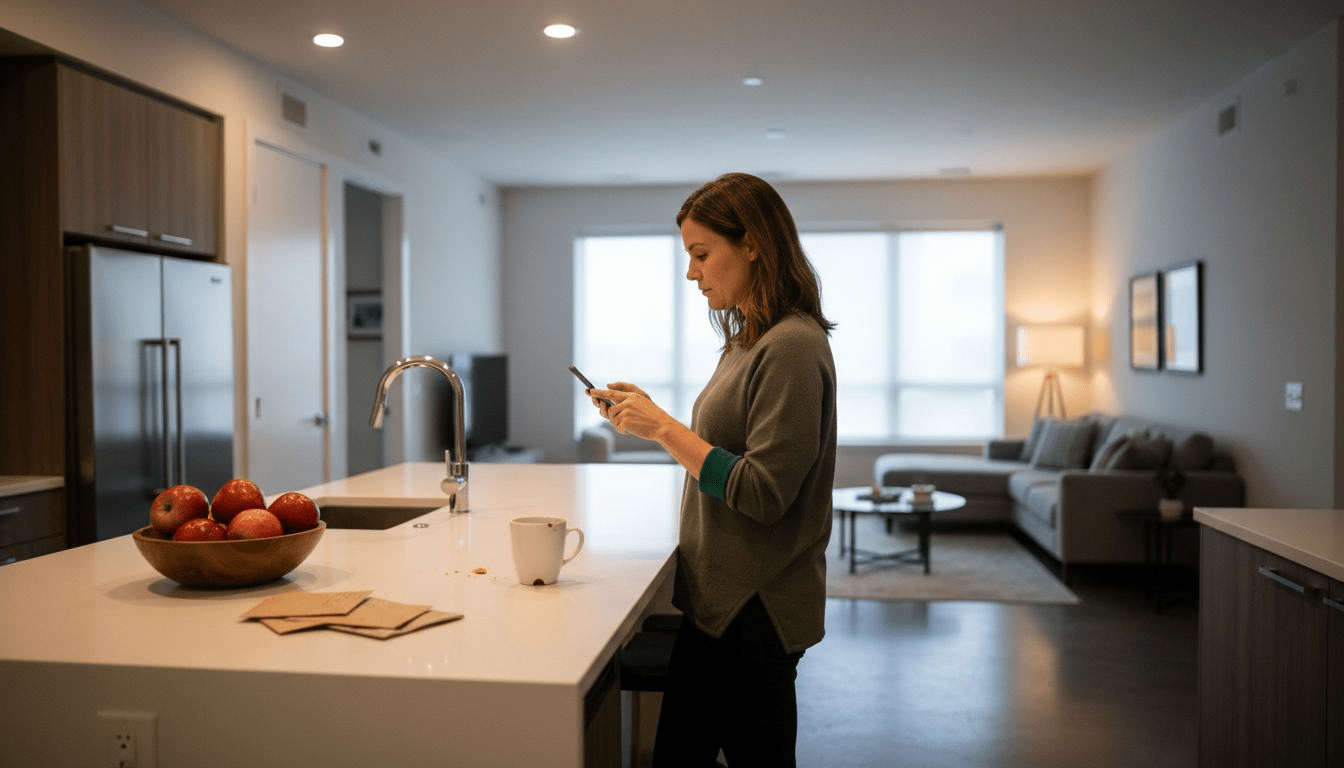
Nearly 60% of American households now use at least one smart lighting device. With energy bills climbing in Canada, Europe, and Asia, tech-savvy homeowners everywhere are searching for affordable ways to make their homes both safer and more inviting without wasting power. Smart lighting offers hands-on solutions anyone can install themselves, letting you control ambiance, boost security, and shrink electricity costs with just a few simple upgrades.
| Point | Details |
|---|---|
| Smart Lighting Provides Energy Efficiency | Smart lighting can reduce energy consumption by up to 80% through automated controls and adaptive illumination. |
| Customized Lighting Enhances Lifestyle | Homeowners can create dynamic lighting environments tailored to their activities, moods, and preferences. |
| Improved Safety with Intelligent Systems | Smart lighting includes features like motion detection and emergency navigation, enhancing home security and personal safety. |
| Integration with Smart Home Ecosystems | Smart lighting solutions can synchronize with other smart devices, offering seamless control and increased functionality. |
Smart lighting transforms home environments by introducing dynamic, intelligent illumination that goes far beyond traditional light switches. Wireless communication technologies enable homeowners to create personalized lighting experiences that adapt to their lifestyle, mood, and daily activities. This innovative approach represents more than just convenience - it’s a fundamental reimagining of how we interact with our living spaces.
At its core, smart lighting integrates energy-efficient LED sources with advanced wireless controls, allowing residents unprecedented flexibility in managing home illumination. Homeowners can now adjust brightness, color temperature, and create automated lighting scenes directly from smartphones or voice-activated devices. These systems provide granular control that traditional lighting could never achieve - imagine lights that automatically dim when you’re watching movies, brighten during cooking, or provide soft nightlights for late-night navigation.
Beyond aesthetic and convenience factors, smart lighting delivers significant practical benefits. Personalized lighting scenarios can enhance comfort, improve energy efficiency, and even contribute to better health and well-being. By intelligently managing light exposure, these systems can help regulate circadian rhythms, reduce eye strain, and create environments that support different activities and emotional states.
Pro Tip: Start your smart lighting journey by installing motion-sensor lights in high-traffic areas like hallways and staircases for an immediate safety and convenience upgrade.
Smart lighting solutions offer a diverse range of technologies designed to transform home illumination. Intelligent control systems integrate advanced LED technologies with sophisticated sensors and wireless connectivity, enabling homeowners to create dynamic, responsive lighting environments. These solutions go beyond simple on/off functionality, providing nuanced control that adapts to specific user needs and preferences.
The primary categories of smart lighting solutions include motion-activated lights, color-changing LED systems, voice-controlled fixtures, and networked lighting networks. Motion sensor lights automatically illuminate spaces when someone enters, perfect for hallways, garages, and outdoor areas. Color-changing LED strips and bulbs allow users to adjust ambiance by selecting from millions of color options, transforming rooms with a simple smartphone command. Voice-controlled fixtures integrate seamlessly with digital assistants like Amazon Alexa and Google Home, enabling hands-free lighting management.
Networked lighting systems represent the most advanced smart lighting solution, creating comprehensive home illumination ecosystems. These systems enable centralized control through smartphone apps, allowing users to program complex lighting scenes, set schedules, and monitor energy consumption. Some advanced configurations can simulate occupancy when homeowners are away, enhance home security, and even sync lighting with music or movies for immersive entertainment experiences.
Pro Tip: When selecting smart lighting solutions, prioritize systems with compatibility across multiple devices and platforms to ensure seamless integration and future expandability.
Smart lighting has revolutionized home safety by providing intelligent, adaptive illumination that goes beyond traditional lighting solutions. Intelligent emergency lighting systems offer dynamic protection by creating comprehensive safety networks that respond instantly to potential threats and emergency situations. These advanced systems use sophisticated sensors and wireless technologies to monitor and illuminate spaces strategically, significantly reducing safety risks.
Motion-activated lights serve as a critical safety feature, automatically illuminating dark areas when movement is detected. This technology is particularly effective in preventing potential intrusions by eliminating shadowy zones around home perimeters, driveways, and entry points. Exterior smart lighting can simulate occupancy when homeowners are away, creating the impression that someone is home and deterring potential burglars. Indoor motion sensors provide additional safety by lighting pathways during nighttime, reducing the risk of accidents in hallways, staircases, and other potentially hazardous areas.

Beyond physical security, smart lighting contributes to personal safety through advanced emergency response capabilities. Integrated systems can provide critical guidance during power outages or emergencies, with automated lighting that helps occupants navigate safely. Some advanced configurations can link with smart home security systems, triggering comprehensive lighting protocols during potential security breaches. Color-changing capabilities also allow for visual alerts, such as creating a red-tinted illumination to signal potential danger or a green-hued light to indicate an all-clear status.
The table below summarizes how different smart lighting solutions enhance safety at home:
| Solution Type | Primary Safety Benefit | Example Application |
|---|---|---|
| Motion-Activated | Illuminates dark areas on entry | Hallways, driveways |
| Networked Lighting | Emergency navigation guidance | Power outage lighting |
| Color-Changing LEDs | Visual alerts for danger or safety | Red for alert, green for safe |
| Occupancy Simulation | Deters intruders with presence effect | Exterior perimeter lighting |
Pro Tip: Install motion-sensor lights with adjustable sensitivity to create a customized safety perimeter that minimizes false triggers while maximizing security coverage.
Smart lighting technologies represent a significant breakthrough in sustainable home energy management, offering unprecedented opportunities for reducing environmental footprints. LED technology with automated controls enables homeowners to dramatically cut energy consumption through intelligent, adaptive illumination systems. These advanced solutions dynamically adjust lighting based on occupancy, natural light levels, and specific room requirements, ensuring that energy is used only when and where it’s truly needed.
The environmental benefits of smart lighting extend far beyond simple energy reduction. Advanced systems can minimize electricity waste by employing sophisticated sensors that detect precise occupancy patterns and ambient light conditions. For instance, motion sensors ensure lights are active only when people are present, while daylight harvesting technologies automatically dim artificial lighting when natural sunlight is sufficient. These intelligent mechanisms can reduce lighting-related energy consumption by up to 80%, translating into significant reductions in household carbon emissions and utility costs.
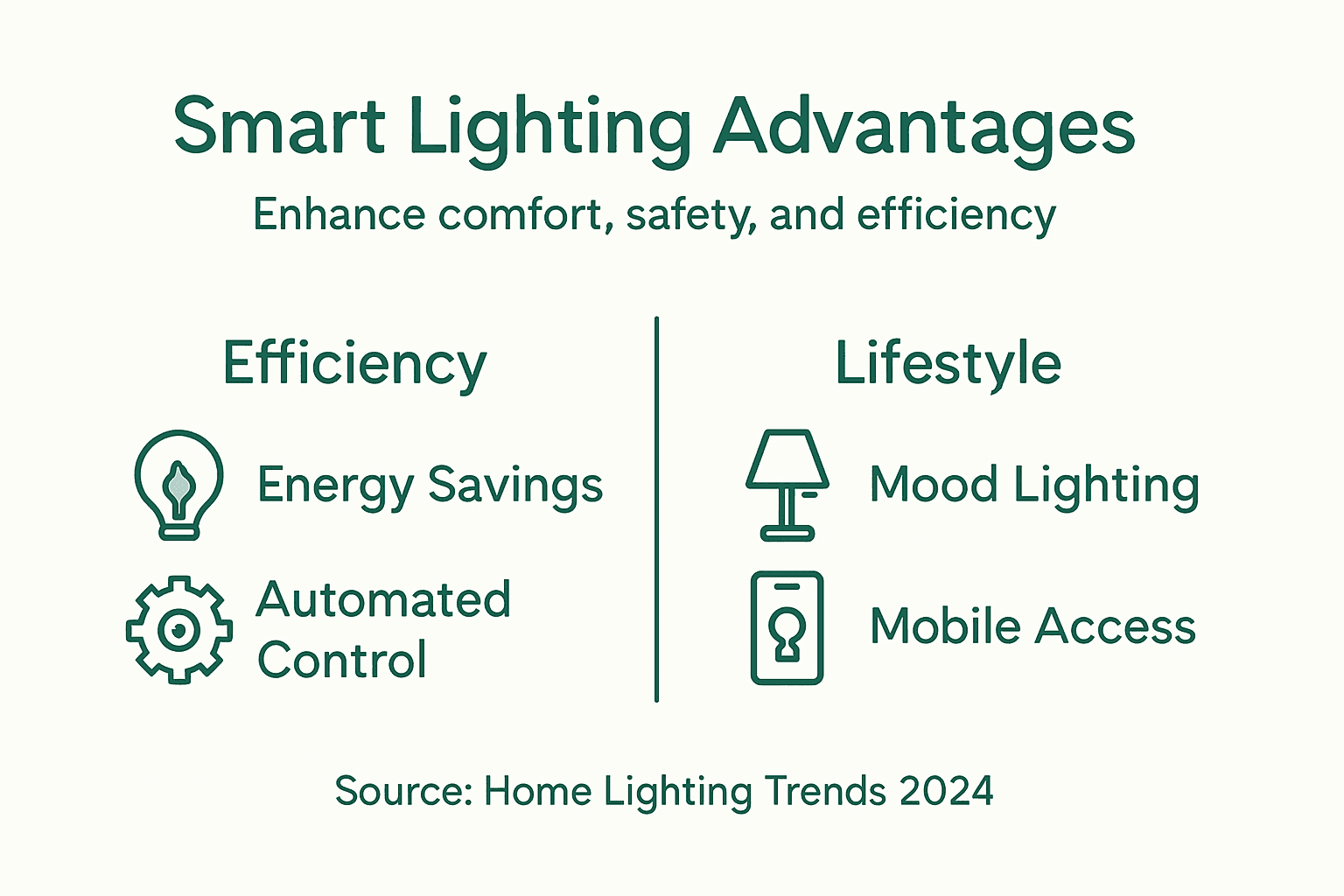
Beyond residential applications, smart lighting technologies are making substantial impacts in urban infrastructure. Adaptive street lighting systems demonstrate remarkable potential for large-scale energy conservation, with some implementations achieving over 96% energy savings compared to traditional lighting. By integrating vehicle and pedestrian sensors, these systems optimize illumination dynamically, reducing unnecessary light pollution and supporting broader sustainable development goals. For homeowners, this means not just personal energy savings, but contributing to a larger environmental preservation effort through thoughtful technology adoption.
Pro Tip: Choose smart lighting systems with energy monitoring features to track and optimize your home’s lighting efficiency in real time.
The landscape of home illumination has dramatically transformed with the emergence of smart lighting technologies, offering a radical departure from traditional lighting systems. Residential energy consumption studies reveal significant performance differences between conventional and smart lighting approaches. Traditional lighting operates on a simple binary model of on/off functionality, while smart systems provide dynamic, intelligent illumination that adapts to user needs and environmental conditions.
Key differences emerge across multiple performance dimensions. Traditional lighting systems rely on manual switches and fixed configurations, consuming energy consistently regardless of room occupancy or ambient light levels. In contrast, smart lighting integrates advanced sensors and wireless controls that optimize energy consumption. Motion detection automatically activates lights only when needed, while daylight harvesting technologies adjust artificial lighting based on natural light availability. These intelligent mechanisms can potentially reduce lighting-related energy consumption by 25-50%, translating into substantial long-term cost savings and environmental benefits.
The technological sophistication of smart lighting extends beyond energy efficiency. Advanced lighting controls enable unprecedented personalization, allowing users to create complex lighting scenes, schedule illumination remotely, and integrate with broader smart home ecosystems. While traditional lighting offers a static, one-dimensional experience, smart lighting transforms spaces dynamically - changing color temperatures to support different activities, syncing with music or entertainment systems, and providing enhanced security through programmable lighting patterns.
Here’s a side-by-side comparison highlighting key differences between smart and traditional lighting systems:
| Aspect | Smart Lighting | Traditional Lighting |
|---|---|---|
| Control Methods | App, voice, sensors, automation | Manual switches only |
| Energy Efficiency | Optimizes usage, up to 80% savings | Constant use, less efficient |
| Customization | Adjustable color, scenes, schedules | Fixed output, no adjustments |
| Integration | Syncs with smart home devices | Standalone systems |
| Security Features | Occupancy simulation, alerts | Minimal, basic illumination |
| Maintenance | Longer LED lifespan, fewer replacements | Bulb changes more frequent |
Pro Tip: When transitioning from traditional to smart lighting, start by replacing high-traffic area fixtures to maximize immediate benefits and gradually expand your smart lighting network.
If improving safety, energy efficiency, and ambiance in your home feels overwhelming, smart lighting offers an easy, effective solution. The article highlights how motion-activated lights and customizable LED systems transform your living spaces with convenience and control. At TryIlluminate.co, you can find innovative options like our Smart Motion Sensor Lights Collection designed for quick, tool-free installation and wireless operation providing immediate benefits for hallways, stairs, and kitchens.
Don’t wait to experience personalized illumination that adapts to your lifestyle while enhancing home safety and energy savings. Explore our Best Sellers and start your smart lighting journey now by visiting TryIlluminate.co. Take control of your home lighting with hassle-free technology that instantly upgrades your environment.
Smart lighting offers convenience, energy efficiency, enhanced safety, and customizable ambiance. It allows for personalized lighting scenarios, adjusts based on activities, and can help regulate circadian rhythms.
Smart lighting enhances safety with features like motion-activated lights that illuminate dark areas, simulate occupancy when homeowners are away, and provide emergency navigation guidance during power outages or emergencies.
Popular types of smart lighting include motion-activated lights, color-changing LED systems, voice-controlled fixtures, and networked lighting systems that enable centralized control and automation.
Smart lighting systems optimize energy usage through sensors and automation, offering significant savings compared to traditional lighting. They also provide greater customization and integration with smart home systems, enhancing convenience and functionality.

Illuminate Your Home with Effortless Smart Lighting
In the ever-evolving world of home technology, one area that has truly transformed the way we experience our living spaces is smart lighting. Tryilluminate, a leading provider of wireless and motio...
Read more
7 Key Advantages of Motion Sensor Lights for Homeowners
Discover 7 major advantages of motion sensor lights and learn how these DIY upgrades improve safety, energy savings, and convenience for every homeowner.
Read more