

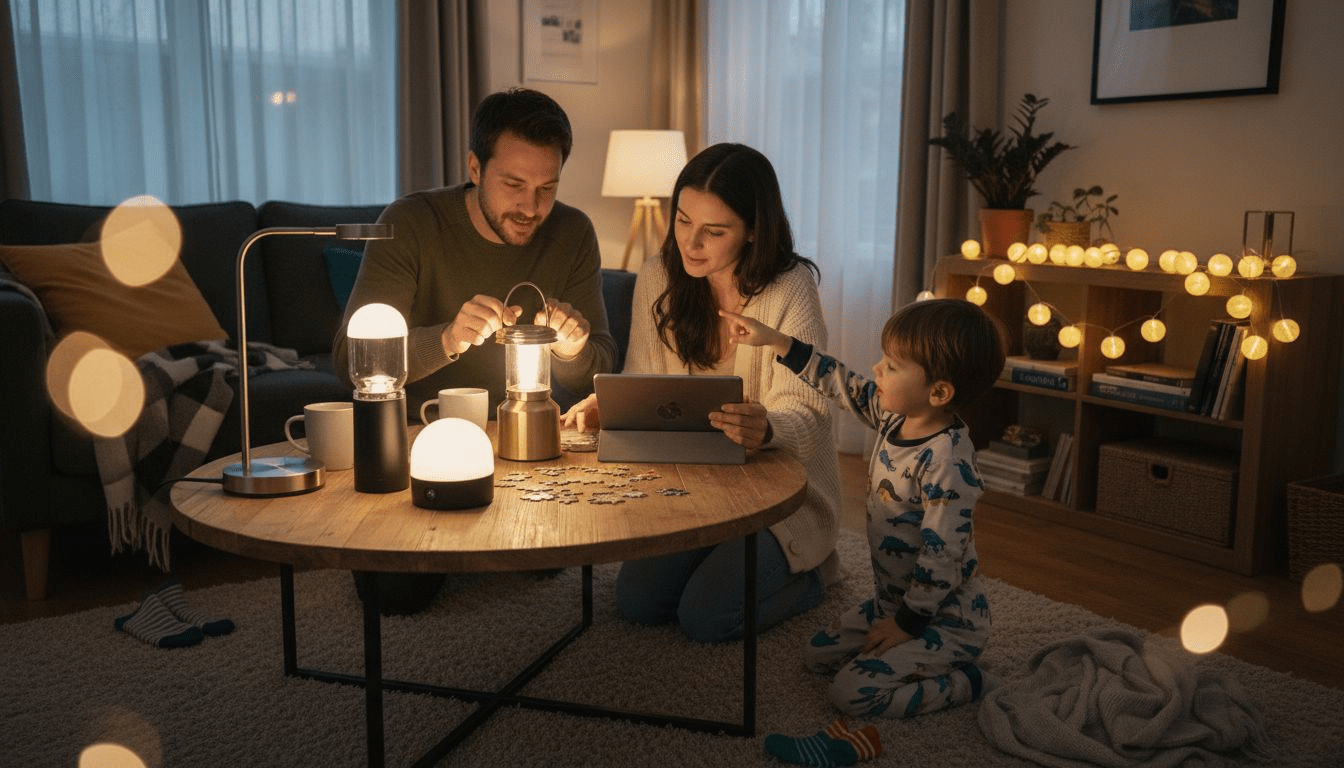
Busy evenings and sudden power outages often leave homeowners searching for brighter, safer options. Rechargeable lighting stands out as a practical solution for those who want to enhance both safety and ambiance without complex wiring or ongoing waste. Advances in battery technology have made these systems smarter, more reliable, and kinder to the environment. You will discover how rechargeable LED lights offer flexible, energy-efficient ways to illuminate your living spaces—making smart home upgrades easier than ever.
| Point | Details |
|---|---|
| Rechargeable Lighting Advantages | These technologies offer portable, energy-efficient, and sustainable lighting solutions that enhance modern home illumination. |
| Evolving Myths | Common misconceptions about rechargeable lighting’s performance, longevity, and environmental impact have been debunked, showcasing significant advancements in these technologies. |
| Economic Benefits | Although initial costs may be higher, rechargeable lights provide long-term savings through reduced energy consumption and fewer replacements. |
| Safety Precautions | Proper handling and maintenance of rechargeable lighting are critical to avoid hazards, emphasizing the importance of using reputable products and recycling batteries responsibly. |
Rechargeable lighting represents an innovative approach to home illumination that goes beyond traditional electrical fixtures. These versatile lighting solutions integrate advanced battery technologies with energy-efficient LED systems, providing portable and sustainable illumination options for modern households. Emerging battery chemistries have dramatically transformed how we think about portable lighting, making rechargeable options more reliable and efficient than ever before.
Contrary to outdated perceptions, rechargeable lighting technologies have evolved significantly. Many homeowners still harbor misconceptions about their performance, durability, and environmental impact. Traditional beliefs that rechargeable lights are weak, short-lived, or environmentally unfriendly have been thoroughly debunked by recent technological advancements. Energy efficiency standards now support the transition toward more sustainable lighting solutions, highlighting the substantial improvements in rechargeable lighting technologies.
Key myths about rechargeable lighting include assumptions about limited battery life, high replacement costs, and poor light quality. In reality, modern rechargeable lights offer extended usage times, competitive pricing, and brightness comparable to traditional lighting sources. Lithium-ion and other advanced battery technologies have enabled longer-lasting, more consistent illumination that can adapt to various home environments - from kitchen workspaces to outdoor patios.
The environmental benefits of rechargeable lighting cannot be overstated. By reducing battery waste and energy consumption, these lighting solutions represent a meaningful step toward sustainable home design. Homeowners can now choose lighting options that not only provide excellent illumination but also contribute to reducing their carbon footprint.
Pro tip: When selecting rechargeable lighting, look for models with USB-C charging capabilities and multiple brightness settings to maximize versatility and energy efficiency.
Rechargeable lighting has evolved into a diverse range of solutions designed to meet various home illumination needs. Rechargeable LED lights come in multiple configurations, each tailored to specific residential scenarios and functionality requirements. These versatile lighting options range from emergency backup systems to portable illumination solutions that can transform how homeowners approach lighting design.
Three primary categories of rechargeable lighting dominate the home market. First, emergency use bulbs with power outage sensors provide automatic illumination during electrical disruptions. Second, non-hardwired bulbs with built-in batteries offer remarkable portability and can be recharged via USB connections. Third, replaceable battery rechargeable lights utilizing standard AAA batteries provide flexibility for homeowners seeking adaptable lighting solutions.
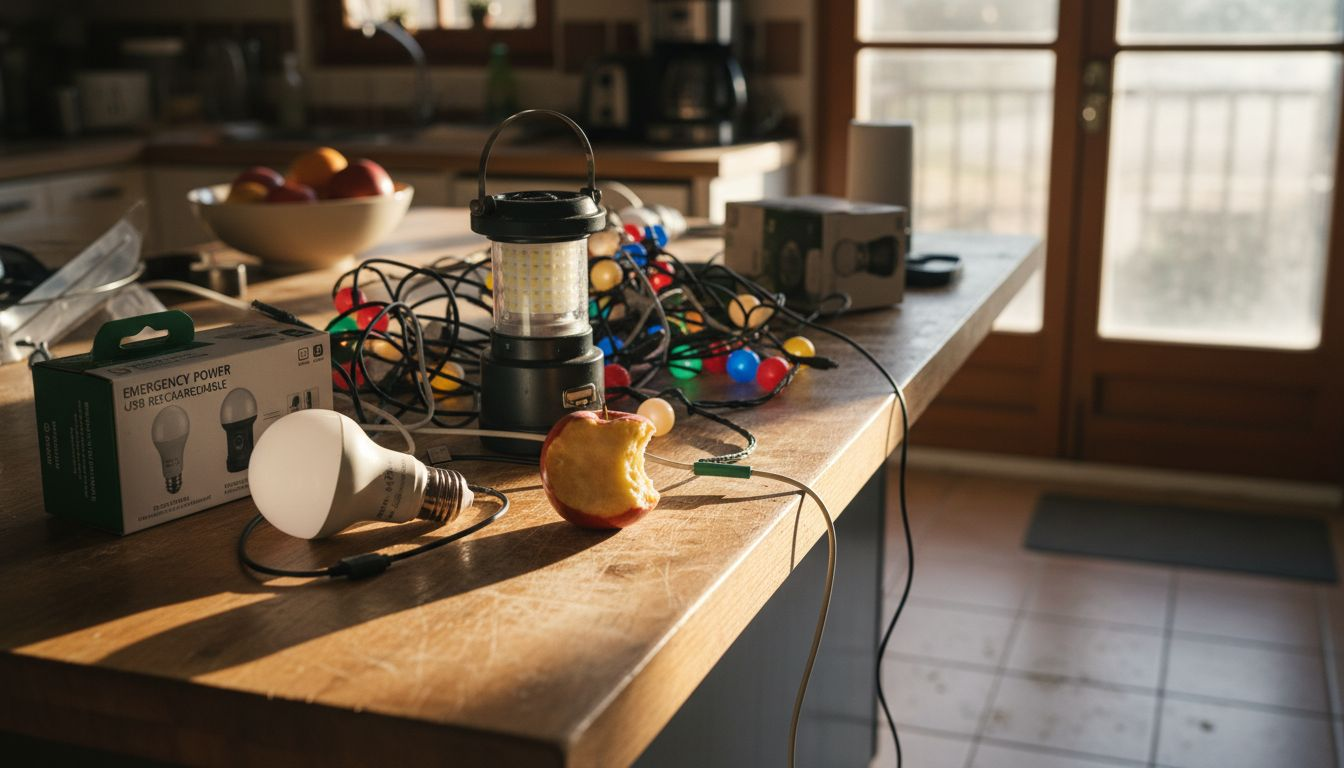
Specialized rechargeable lighting types include LED lanterns, string lights, task lighting, and panel systems suitable for indoor and outdoor applications. These innovative products leverage advanced battery technologies like lithium-ion and nickel-metal hydride to deliver consistent brightness and extended runtime. Homeowners can select from options with additional features such as dimmable settings, adjustable color temperatures, and smart connectivity that enhance ambiance and functional utility.
Beyond individual product capabilities, rechargeable lighting represents a sustainable alternative to traditional lighting solutions. By reducing battery waste and minimizing energy consumption, these technologies offer environmental benefits while providing high-performance illumination across diverse home settings. The ability to recharge and repurpose lighting equipment makes these solutions increasingly attractive for environmentally conscious consumers.
Pro tip: Invest in rechargeable lights with multiple charging options like USB and solar to maximize versatility and ensure uninterrupted illumination.
Rechargeable lighting technologies leverage sophisticated engineering to transform how homes receive illumination. LED lighting fundamentals reveal a complex interaction between semiconductor materials and electrical current, enabling unprecedented energy efficiency and versatility. These innovative systems combine advanced battery technologies with intelligent power management to create lighting solutions that adapt to various home environments.
Battery integration is the core mechanism driving rechargeable lighting performance. Rechargeable light bulbs utilize lithium-ion or nickel-metal hydride batteries that store electrical energy and provide seamless power transitions. The internal circuitry manages power flow, automatically switching between main electrical sources and stored battery power during interruptions. This intelligent design ensures continuous illumination, making these lighting solutions exceptionally reliable for home use.
Here’s a comparison of common battery technologies used in rechargeable lights:
| Battery Type | Typical Lifespan | Charging Time | Environmental Impact |
|---|---|---|---|
| Lithium-ion | 3-5 years | 2-4 hours | Low; highly recyclable |
| Nickel-Metal Hydride | 2-4 years | 4-6 hours | Moderate; few toxins |
| Lead-acid | 1-3 years | 6-8 hours | High; hazardous disposal |
Modern rechargeable lighting systems offer multiple sophisticated features beyond basic illumination. Smart controls enable users to adjust color temperatures, implement dimming functions, and even synchronize lighting with mobile applications. The integration of semiconductor technology allows these lights to convert electrical energy into visible light with up to 90% efficiency, significantly outperforming traditional lighting technologies. Advanced models can detect ambient light conditions, automatically adjusting brightness and power consumption to optimize energy use.
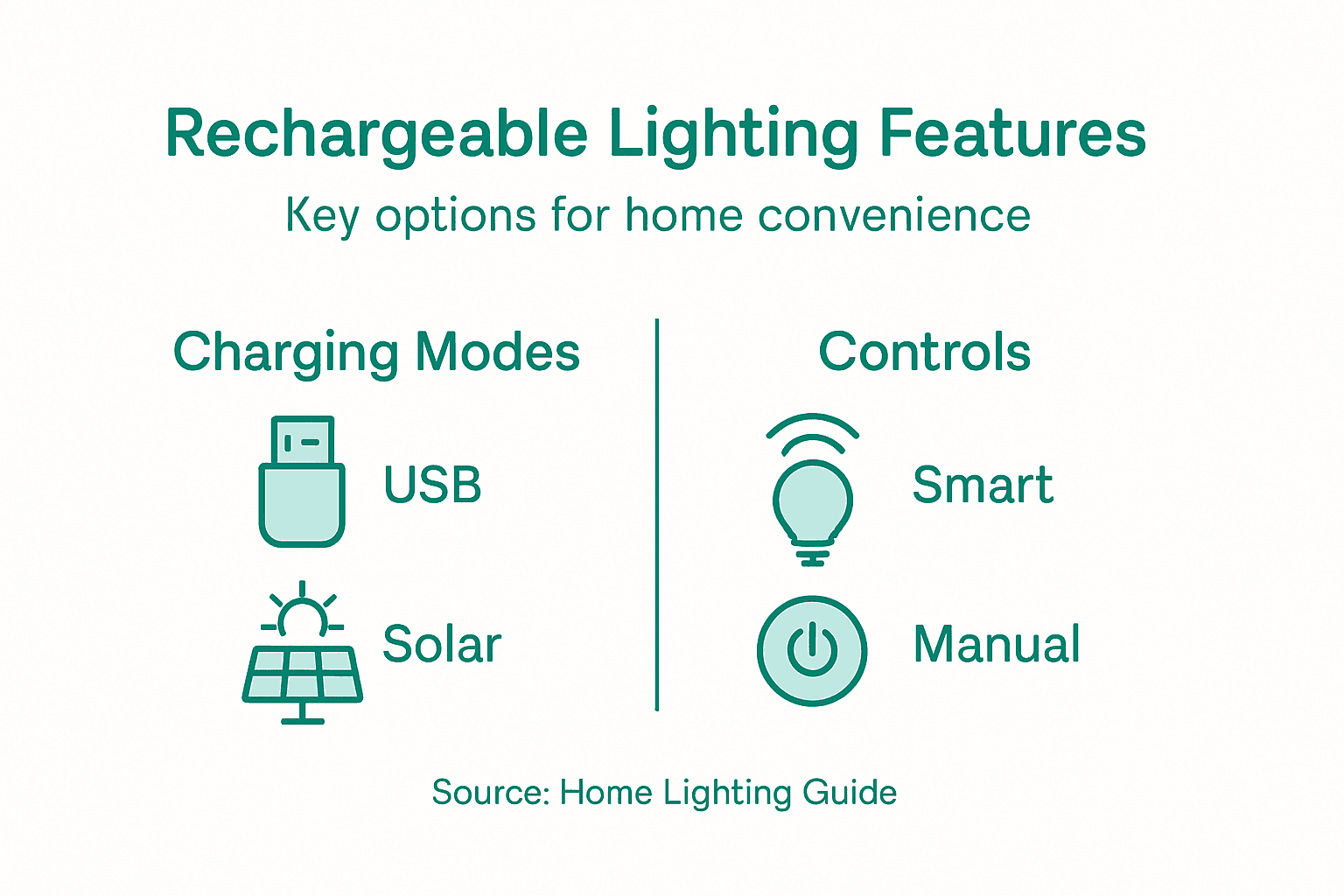
The operational mechanics of rechargeable lighting represent a significant technological advancement in home illumination. By combining energy-efficient LED technology, intelligent battery management, and smart control systems, these lighting solutions provide homeowners with unprecedented flexibility. The ability to recharge via electrical outlets, USB connections, or even solar panels makes these systems adaptable to diverse living environments and personal preferences.
Pro tip: Select rechargeable lights with multiple charging options and smart control features to maximize flexibility and energy efficiency in your home.
Rechargeable lighting technologies have revolutionized home illumination by offering unprecedented versatility and functionality. Home lighting solutions provide homeowners with flexible, energy-efficient alternatives that adapt to numerous residential scenarios. From creating cozy reading nooks to enhancing safety during power outages, these innovative lighting systems transform how people interact with their living spaces.
The practical applications of rechargeable lighting span multiple home environments. Indoor uses include task lighting in kitchens, ambient illumination in living rooms, and accent lighting for artwork and decorative spaces. Versatile lighting applications extend to outdoor environments, enabling portable solutions for patios, camping trips, and emergency preparedness. Bathrooms benefit from spa-like experiences with adjustable brightness and color settings, while home offices gain flexible workspace lighting that can be repositioned without electrical constraints.
Beyond convenience, rechargeable lighting delivers substantial economic and environmental benefits. The integration of LED technology dramatically reduces electricity consumption, potentially lowering monthly utility bills. These lighting solutions minimize waste by eliminating disposable batteries and extending product lifespans. Their sustainable design contributes to reduced carbon emissions, making them an attractive option for environmentally conscious homeowners seeking to decrease their ecological footprint.
The real-world advantages of rechargeable lighting extend far beyond simple illumination. By providing portable, adaptable, and energy-efficient solutions, these technologies empower homeowners to create personalized lighting experiences that enhance comfort, safety, and aesthetic appeal. The ability to quickly recharge via multiple methods - electrical outlets, USB connections, or solar panels - ensures consistent, reliable lighting across diverse residential scenarios.
Pro tip: Strategically place rechargeable lights in areas prone to power interruptions, such as hallways, staircases, and emergency kits, to enhance home safety and convenience.
Rechargeable lighting represents a strategic investment that balances initial expenses with long-term financial benefits. Rechargeable light bulb economics reveal that while upfront costs are higher than traditional lighting, the total cost of ownership significantly decreases over time. LED technology integrated into these systems dramatically reduces electricity consumption, translating into substantial utility bill savings and a more environmentally responsible approach to home illumination.
Maintaining rechargeable lighting requires understanding specific battery care practices. Battery maintenance strategies emphasize the importance of using correct chargers, avoiding overcharging, and storing batteries in moderate temperatures. Different battery chemistries like NiMH and lithium-ion demand unique care protocols. Homeowners should follow manufacturer guidelines, remove batteries from chargers when fully charged, and store devices in cool, dry environments to maximize lifespan and performance.
Financial considerations extend beyond initial purchase prices. Rechargeable lighting solutions offer multiple economic advantages, including reduced replacement frequency, lower energy consumption, and minimal maintenance costs. The longevity of LED technologies means fewer bulb replacements, while efficient charging mechanisms minimize electricity usage. Advanced features like dimming and color temperature control provide additional value, allowing users to customize their lighting experience while maintaining energy efficiency.
Comparing traditional and rechargeable lighting reveals compelling long-term benefits. While standard bulbs might seem cheaper initially, rechargeable options provide significant savings through reduced energy consumption, fewer replacements, and enhanced durability. Homeowners can expect to recoup their initial investment within a few years, followed by continuous financial and environmental benefits. The ability to adapt lighting configurations without extensive electrical work further increases the overall value proposition of rechargeable lighting systems.
The table below highlights key economic and maintenance factors when choosing rechargeable lighting:
| Factor | Rechargeable Lighting | Traditional Lighting |
|---|---|---|
| Upfront Cost | Higher initial expense | Lower initial cost |
| Replacement Frequency | Less frequent | More frequent |
| Electricity Use | Low, energy efficient | Higher consumption |
| Maintenance Needs | Battery care required | Occasional bulb changes |
Pro tip: Create a maintenance schedule for your rechargeable lights, checking battery health and cleaning charging ports quarterly to ensure optimal performance and longevity.
Rechargeable lighting technologies offer tremendous convenience, but understanding potential safety risks is crucial for responsible use. Rechargeable battery safety demands careful attention to prevent potential hazards associated with lithium-ion and other battery chemistries. Homeowners must recognize that improper handling can lead to serious risks, including fire or equipment damage, making informed usage paramount.
Navigating battery-related risks requires implementing comprehensive safety strategies. Lithium-ion device precautions emphasize the importance of purchasing from reputable suppliers, using manufacturer-approved chargers, and avoiding damaged or bulging batteries. Critical safety practices include storing batteries in cool, ventilated areas away from flammable materials, never mixing old and new batteries, and ensuring proper charging techniques that prevent overheating or short circuits.
Quality control extends beyond initial purchase and usage. Homeowners should regularly inspect rechargeable lighting for signs of wear, damage, or performance degradation. This includes checking charging ports for debris, monitoring battery condition, and replacing components that show any signs of compromise. Authentic, certified components from trusted manufacturers significantly reduce the risk of manufacturing defects that could potentially lead to safety incidents.
Environmental responsibility plays a crucial role in rechargeable lighting safety. Proper disposal through certified recycling programs prevents environmental contamination and reduces potential risks associated with improper battery handling. Consumers should never discard rechargeable batteries in standard trash receptacles, instead utilizing specialized battery recycling centers that can safely process these complex electronic components.
Pro tip: Create a dedicated battery storage and charging station in a cool, dry area of your home, away from direct sunlight and heat sources, to maximize safety and extend battery life.
The article highlights common challenges such as navigating power outages, managing energy efficiency, and finding versatile lighting that adapts without complicated wiring or bulky replacements. If you are looking to transform your home with rechargeable lighting that is smart, energy-saving, and easy to install, Try Illuminate offers exactly what you need. Our products, including motion sensor lights and customizable LED strips, deliver portable illumination with intelligent features like daylight detection and adjustable tones, perfect for areas prone to power interruptions or high traffic.
Discover the power of rechargeable lighting that fits seamlessly into your lifestyle by exploring our All Products. Enhance your setup further with Stylish Accessories to match our lights designed for simple, wireless installations without any electrical expertise. Take control of your home environment now by upgrading to solutions that promise safety, convenience, and lasting savings. Visit Try Illuminate and start experiencing the future of home lighting today.
Rechargeable lighting offers significant benefits such as energy efficiency, reduced need for disposable batteries, and lower electricity costs. They also provide portable solutions that can enhance home safety, especially during power outages.
The battery life of rechargeable lights can vary based on the type and usage. Generally, modern rechargeable lights powered by lithium-ion batteries can last several hours on a single charge, depending on the brightness setting and specific model.
Yes, rechargeable LED lights are environmentally friendly as they help reduce battery waste and minimize energy consumption. Additionally, advanced battery technologies used in these lights are often recyclable, contributing to sustainability efforts.
There are several types of rechargeable lighting options available for home use, including emergency use bulbs, portable non-hardwired bulbs, and rechargeable bulbs that utilize replaceable batteries. Other options include LED lanterns, task lights, and string lights suitable for various settings.
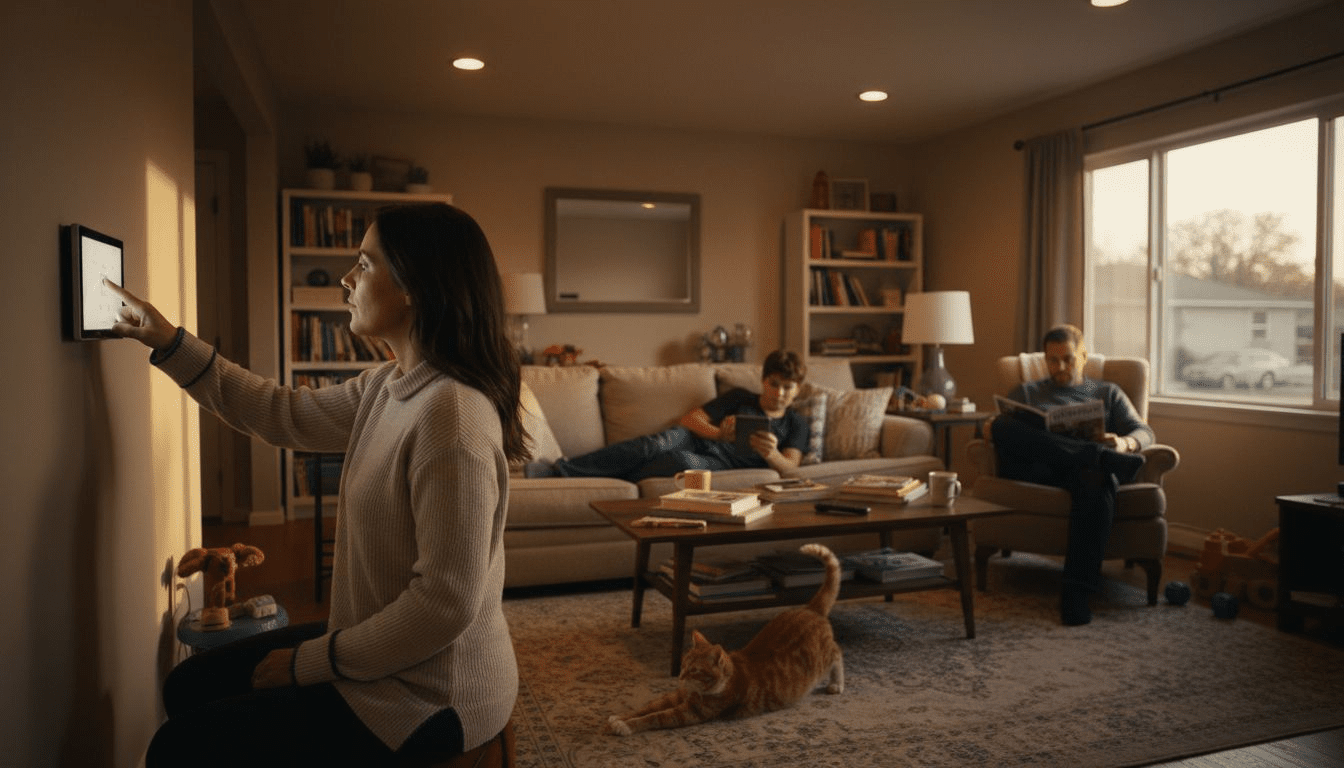
Home Lighting Automation Explained: Smarter Living
Home lighting automation explained for modern homeowners—learn types, how wireless systems work, key features, costs, benefits, and DIY mistakes to avoid.
Read more
7 Best Examples of Wireless Lighting for Smart Homes
Discover 7 practical examples of wireless lighting for smart homes. Learn easy DIY tips to improve energy efficiency, safety, and ambiance in your living spaces.
Read more