


Finding the right lighting for your home can feel overwhelming when you want comfort, efficiency, and a soothing atmosphere. The choices go far beyond simple brightness, with research showing that lighting shapes mood and daily experiences by acting as a cognitive map and emotional driver. Discover how energy-efficient lighting solutions and smart controls empower eco-conscious homeowners to create spaces that enhance safety, promote well-being, and beautifully adapt to every moment.
| Point | Details |
|---|---|
| Lighting Affects Mood | Different lighting configurations influence emotional responses, supporting relaxation, productivity, and social interaction. |
| Smart Lighting Enhances Control | Advanced lighting systems offer features like motion sensors and remote control, enabling energy efficiency and personalized settings. |
| Energy Efficiency Matters | Utilizing LED lighting can significantly reduce electricity consumption and environmental impact, making it a smart choice for sustainability. |
| Common Mistakes to Avoid | Homeowners often overlook fixture compatibility and task lighting needs, which can compromise the effectiveness of their lighting design. |
Lighting does far more than simply illuminate spaces - it profoundly shapes our psychological experience and emotional perception of home environments. Cognitive mapping of emotional responses reveals that different lighting configurations can dramatically transform how we feel and interact within our living spaces.
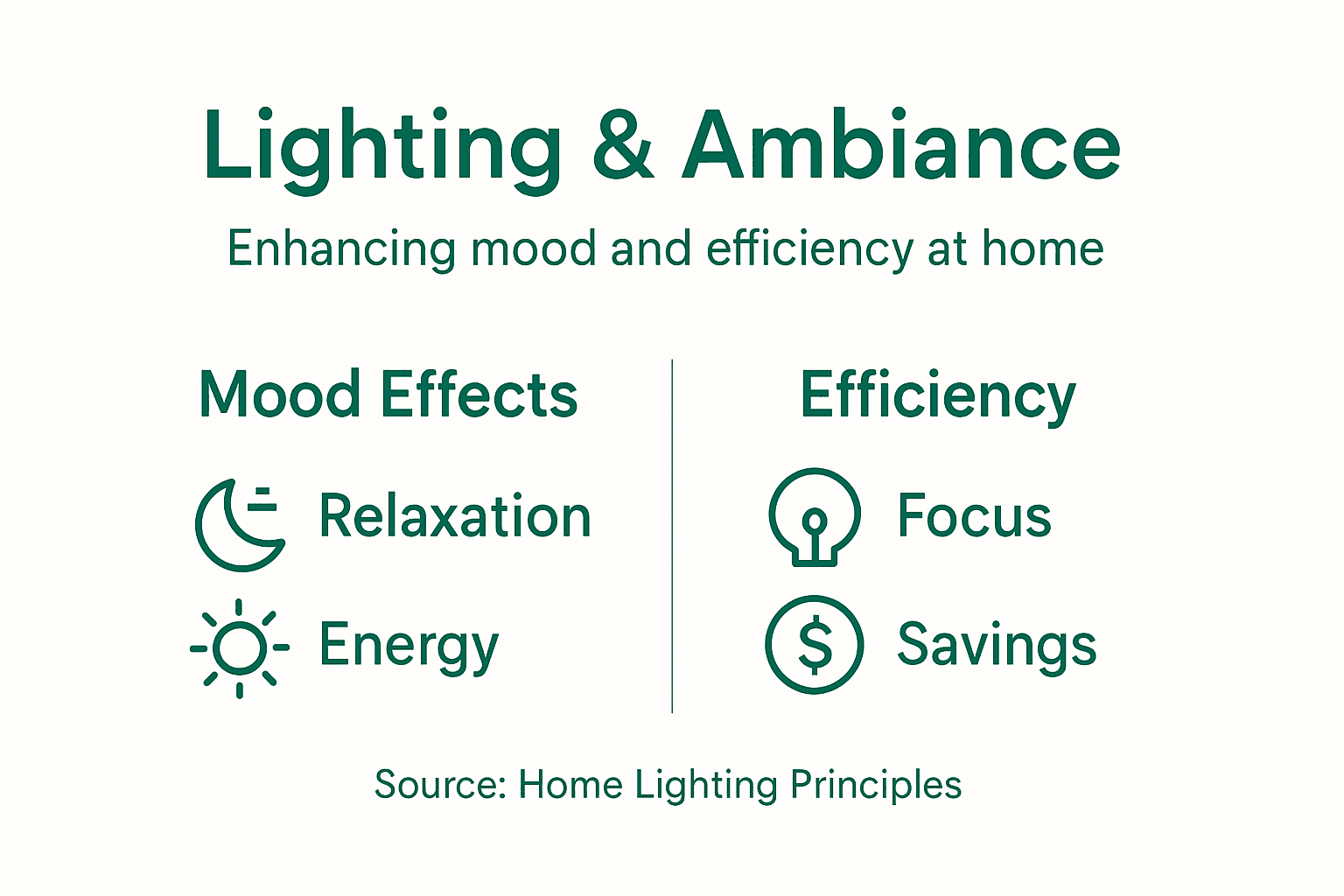
The psychological impact of lighting extends beyond basic visibility. Researchers have discovered that specific color temperatures and light intensities directly influence mood, energy levels, and overall psychological well-being. Different lighting scenarios can:
Color plays a particularly fascinating role in emotional modulation. Warm tones like soft yellows and oranges can create feelings of comfort and intimacy, while cool blue and green hues tend to promote calmness and mental clarity. Psychological light color research demonstrates that strategic color selection can fundamentally alter our perception of a room’s ambiance.
Understanding lighting’s nuanced psychological effects allows homeowners to design spaces that not only look beautiful but actively support mental and emotional well-being. By thoughtfully selecting color temperatures, intensities, and placement, you can transform ordinary rooms into dynamic environments that adapt to your changing needs and moods.
Pro tip: Experiment with adjustable smart lighting systems that allow you to shift color temperatures and intensities throughout the day to match your emotional and functional requirements.
Home lighting is a sophisticated system designed to serve multiple functional and aesthetic purposes beyond simple illumination. Residential lighting design reveals that strategic lighting can transform living spaces by creating distinct atmospheres and enhancing overall home comfort.
Typically, home lighting can be categorized into three primary types:
Home lighting principles demonstrate that each lighting type plays a crucial role in creating a dynamic and functional home environment. Color temperature becomes particularly important, with different kelvin ranges producing distinct psychological effects. Warm lights (2700-3000K) create cozy, intimate settings, while cooler lights (4000-5000K) promote alertness and concentration.
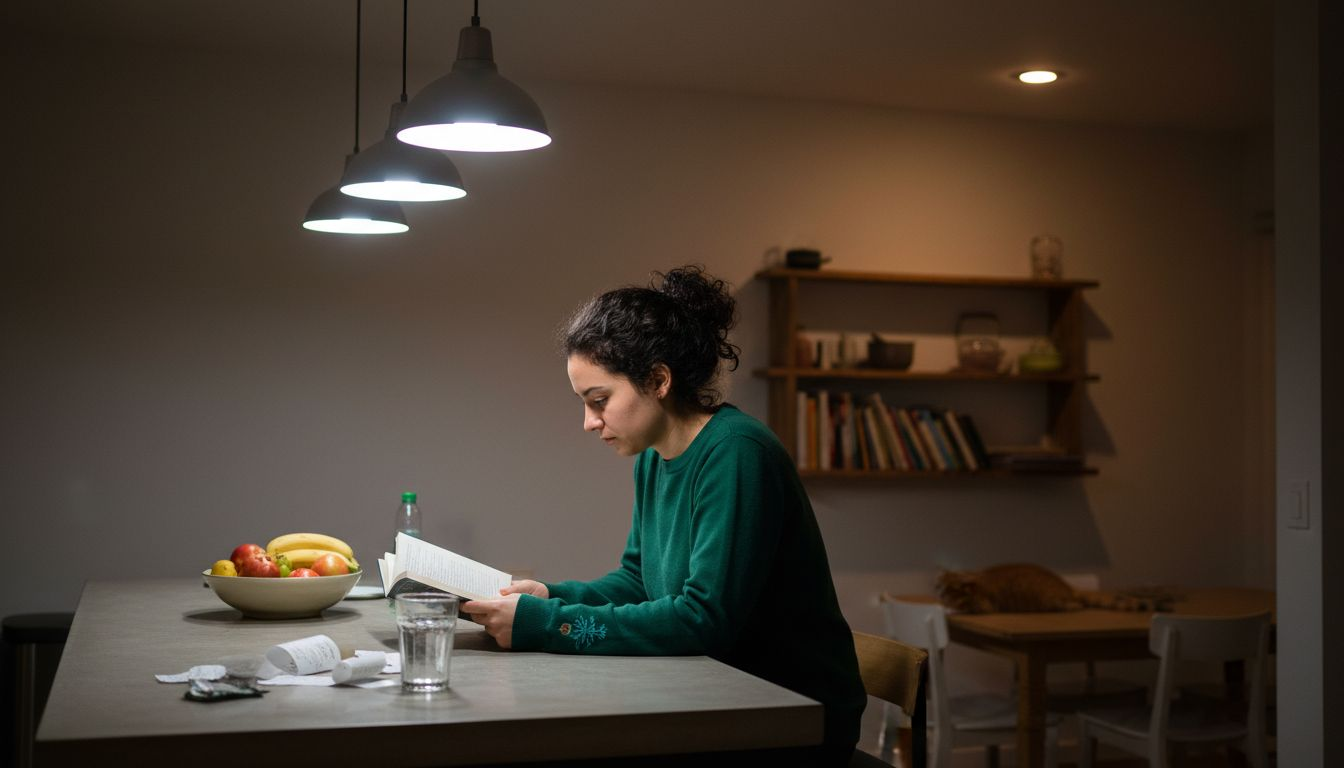
To clarify how lighting choices impact ambiance, here’s a summary of color temperature effects:
| Color Temperature | Typical Use | Psychological Effect |
|---|---|---|
| 2700-3000K (Warm) | Bedrooms, living rooms | Promotes relaxation, comfort |
| 3500-4000K (Neutral) | Kitchens, bathrooms | Enhances focus, balance |
| 4000-5000K (Cool) | Offices, study areas | Boosts alertness, productivity |
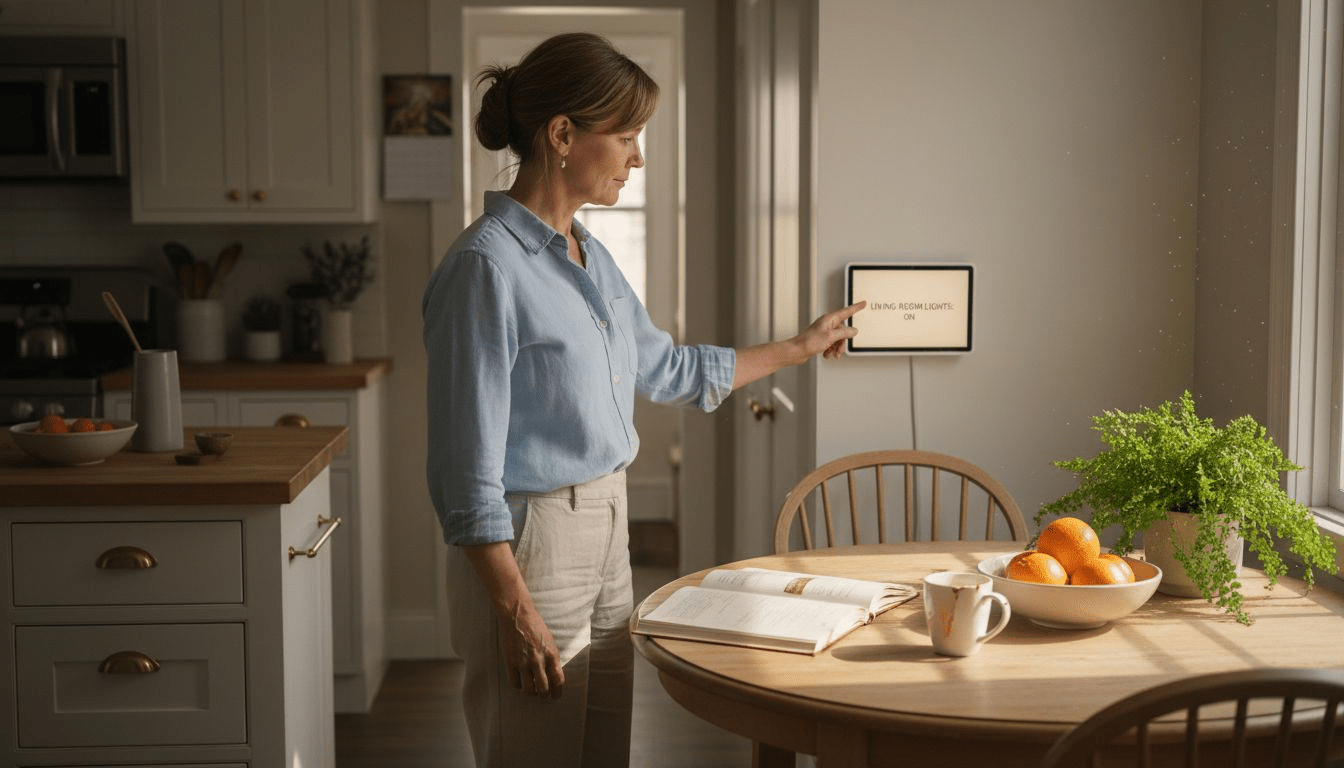
Modern homeowners have unprecedented control over their lighting environments. Advanced LED technologies and smart home systems allow precise manipulation of light intensity, color, and distribution. This enables people to create personalized environments that adapt to different times of day, activities, and emotional states.
Pro tip: Layer your home lighting by combining ambient, task, and accent lights to create versatile, dynamic spaces that can be easily adjusted to suit different moods and functions.
Networked lighting control systems represent a revolutionary approach to home illumination, transforming traditional lighting into intelligent, responsive environments. These advanced technologies go far beyond simple on-and-off functionality, offering homeowners unprecedented control and efficiency.
Smart lighting features typically include:
Lighting choices from energy experts demonstrate how intelligent controls can dramatically reduce energy waste. Modern LED systems with integrated sensors can cut lighting-related electricity consumption by up to 75%, making them both environmentally friendly and cost-effective.
Here’s a quick comparison of traditional lighting versus smart lighting systems:
| Aspect | Traditional Lighting | Smart Lighting |
|---|---|---|
| Control | Manual switches | Remote, automated, app-based |
| Energy Savings | Limited | Up to 75% reduction |
| Customization | Fixed, minimal | Highly adaptive, programmable |
| Maintenance | Frequent bulb changes | Long-lasting, minimal upkeep |
The true power of smart lighting lies in its ability to create personalized, adaptive environments. Homeowners can now program complex lighting scenes that change automatically throughout the day, supporting natural circadian rhythms and enhancing overall living comfort. From soft morning illumination that gradually brightens to simulate sunrise, to warm evening tones that promote relaxation, these systems offer unprecedented customization.
Pro tip: Invest in smart lighting systems with multiple sensors and programmable scenes to maximize both energy efficiency and home comfort.
Automation technologies in daily life are revolutionizing how we interact with our living spaces, offering unprecedented levels of personalization and efficiency. Modern home automation goes beyond simple convenience, fundamentally reimagining how we experience our daily environments.
Automation’s key transformative elements include:
Intelligent home systems represent more than technological novelty. Automation’s impact on human interaction demonstrates how these technologies complement human activities, creating living spaces that actively support our rhythms and needs. They do not replace human agency but enhance our ability to create more responsive, efficient environments.
The true magic of home automation lies in its ability to learn and adapt. Modern systems continuously collect data about usage patterns, gradually becoming more intuitive and personalized. Imagine a home that automatically adjusts lighting, temperature, and ambiance based on your daily routine, creating a living environment that feels perfectly attuned to your lifestyle.
Pro tip: Start with one automated system and gradually expand, allowing yourself time to understand and customize each technology to your specific living needs.
LED lighting technologies represent a critical breakthrough in reducing household energy consumption and minimizing environmental footprints. These advanced lighting solutions transform how we think about energy efficiency, offering substantial reductions in electricity usage and long-term sustainability.
Key environmental benefits of energy-efficient lighting include:
Global lighting energy trends demonstrate the transformative potential of smart lighting solutions. Modern technologies not only reduce energy consumption but actively contribute to broader environmental conservation efforts. By implementing energy-efficient lighting, homeowners can directly participate in global sustainability initiatives.
The economic implications are equally compelling. Energy-efficient lighting can reduce electricity costs by up to 75%, providing significant financial benefits alongside environmental advantages. This approach represents a win-win strategy for both household budgets and ecological responsibility, proving that individual choices can have meaningful global impacts.
Pro tip: Choose LED bulbs with ENERGY STAR certification to maximize both energy savings and environmental benefits.
Energy-efficient lighting strategies reveal that homeowners frequently make critical errors when selecting and implementing lighting solutions. Understanding these common pitfalls can help create more effective, comfortable, and energy-conscious home environments.
Most frequent lighting mistakes include:
Residential lighting design guidance emphasizes the importance of strategic lighting planning. Homeowners should consider not just brightness, but how different light sources interact, create atmosphere, and support various activities throughout the home.
Technological advancements have made sophisticated lighting more accessible than ever. Modern LED systems offer unprecedented flexibility, allowing precise control over intensity, color, and distribution. By understanding these technologies and common design principles, homeowners can avoid traditional lighting mistakes and create more dynamic, efficient living spaces.
Pro tip: Consult a lighting design professional or use online lighting simulation tools to preview how different light configurations will impact your specific space before making final selections.
Creating the perfect home ambiance means balancing comfort, efficiency, and emotional well-being, as highlighted in the discussion on lighting’s psychological impact. If you struggle with finding lighting that adapts to your mood and daily needs while also saving energy, smart motion sensor lights may be your ideal solution. These innovative fixtures adjust brightness and color temperature automatically, helping you build calming, productive, or social environments effortlessly.
Explore our Smart Motion Sensor Lights Collection designed for seamless installation without wiring or expert help. Take advantage of wireless, rechargeable, and customizable lighting that reacts intuitively to your presence and daylight levels. Visit https://tryilluminate.co today and upgrade your living space with smart lighting that truly enhances comfort, safety, and energy efficiency. Do not wait—experience the transformation that thoughtful, adaptive lighting can bring to your home now.
Typically, home lighting can be categorized into three primary types: ambient, task, and accent lighting. Ambient lighting provides overall illumination, task lighting focuses on specific activities, and accent lighting highlights architectural features or artwork.
Color temperature significantly impacts psychological effects. Warm lights (2700-3000K) promote relaxation, while cooler lights (4000-5000K) enhance alertness and productivity.
Using smart lighting systems, homeowners can adjust color temperatures and intensities throughout the day to match their emotional and functional needs, creating personalized environments that adapt to different times of day.
Common mistakes include overlooking fixture compatibility, neglecting task lighting, ignoring color temperature, improper light layering, and disregarding room reflectance. Strategic planning is essential to ensure effective, comfortable lighting.
Why Upgrade to Wireless Lighting for Homes
Wireless lighting upgrade boosts energy efficiency, enhances safety, and simplifies installation. Learn about types, costs, key features, and smart automation.
Read more
7 Key Smart Lighting Benefits Homeowners Should Know
Discover 7 essential smart lighting benefits for homeowners. Learn how these solutions improve safety, save energy, and enhance your home’s ambiance.
Read more