


Walking into a dark entryway after work, you want safety and convenience without wasting electricity. Motion sensor lighting offers a simple way to boost home security and cut energy costs using smart technology you can install yourself. With affordable options and multiple sensor types, you can create a setup that fits your lifestyle, keeping your family safe while trimming your energy bill. Motion sensors bring protection and efficiency together in one easy package.
| Point | Details |
|---|---|
| Comprehensive Detection Technologies | Motion sensors utilize various technologies such as Passive Infrared (PIR), microwave, and dual-technology sensors to enhance movement detection accuracy and minimize false alarms. |
| Strategic Installation is Crucial | Proper placement, such as mounting at recommended heights and avoiding heat sources, ensures optimal sensor performance and coverage. |
| Flexibility with Smart Features | Many systems integrate with smart home technologies and offer customizable sensitivity and alert settings for tailored security solutions. |
| Cost and Installation Considerations | Costs vary significantly based on system complexity, with DIY options being more budget-friendly while professional installation ensures effective integration. |
Motion sensors are sophisticated electronic devices designed to detect movement within a specific area and trigger an alert or action. These advanced security components use multiple detection technologies to monitor spaces and provide an additional layer of protection for homes and businesses. Volumetric-motion sensors represent a critical technology in modern security systems, utilizing either active or passive detection methods.
Active motion sensors emit energy waves that create an invisible detection zone and register disruptions when an object moves through this space. Passive motion sensors work differently by detecting heat signatures and infrared energy emitted by living beings. Some advanced systems combine both technologies to minimize false alarms and improve overall detection accuracy. The Multi-frame Moving Object Detection System developed by Sandia National Laboratories demonstrates how sophisticated sensor technologies can now detect incredibly small movements unrecognizable by traditional methods.
Motion sensors typically operate through several core technologies:
Pro Tip: When installing motion sensors, strategically place them in high-traffic areas and avoid positioning them near heat sources or windows to minimize false triggers.
Home motion sensor systems come in several sophisticated technologies designed to detect and respond to movement within residential spaces. Motion sensor technologies offer homeowners diverse options for protecting their property and enhancing overall security. These systems range from simple detection mechanisms to complex multi-layered surveillance approaches that can adapt to various home environments and security needs.
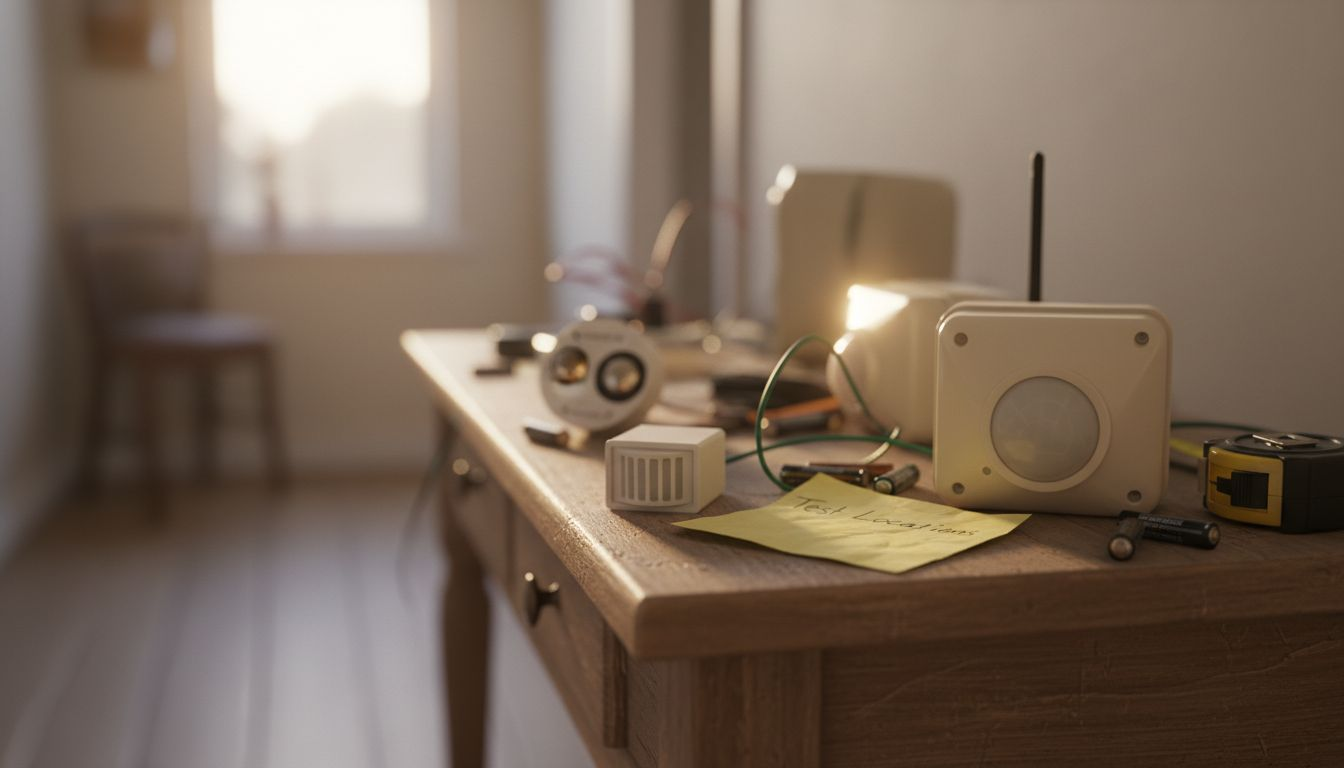
The primary types of motion sensors include Passive Infrared (PIR) sensors, which detect heat signatures from moving bodies, and microwave sensors that use radio waves to track movement. Dual-technology sensors represent an advanced approach, combining multiple detection methods to minimize false alarms and improve overall accuracy. These sensors work by integrating different detection technologies:
Here’s a quick comparison of common motion sensor technologies:
| Technology Type | Best Use Case | Key Strength |
|---|---|---|
| Passive Infrared (PIR) | Indoor areas | Affordable, reliable |
| Microwave | Large or open spaces | Greater coverage range |
| Dual-Technology | Mixed environments | Reduces false alarms |
| Ultrasonic | Confined/partitioned areas | High motion accuracy |
| Tomographic | Complex layouts | Detects through obstacles |
Passive Infrared (PIR) Sensors
Microwave Sensors
Dual-Technology Sensors
Ultrasonic Sensors
Tomographic Motion Sensors
Pro Tip: Select motion sensors that match your specific home layout and security requirements, considering factors like room size, typical traffic patterns, and potential interference sources.
Motion sensor lighting technologies represent a sophisticated approach to home illumination that combines smart detection with energy-efficient lighting. These systems integrate motion detection sensors with lighting fixtures, creating an intelligent solution that activates lights only when movement is detected within a specific area. The core mechanism involves sophisticated electronic components that continuously monitor an assigned space for any changes in environmental conditions.
The detection process relies on multiple sensor technologies that identify movement through different mechanisms. Passive Infrared (PIR) sensors work by detecting heat signatures from living beings, while microwave sensors emit radio waves that bounce off moving objects to identify motion. Electronic motion detection systems typically operate through several key stages:
Detection Stage
Verification Stage
Activation Stage
Reset Stage
Motion sensor lights offer remarkable flexibility, allowing homeowners to customize sensitivity, duration, and coverage area. Some advanced systems include additional features like daylight detection, which prevents unnecessary activation during bright hours, and adjustable timeout periods that can be tailored to specific room requirements.
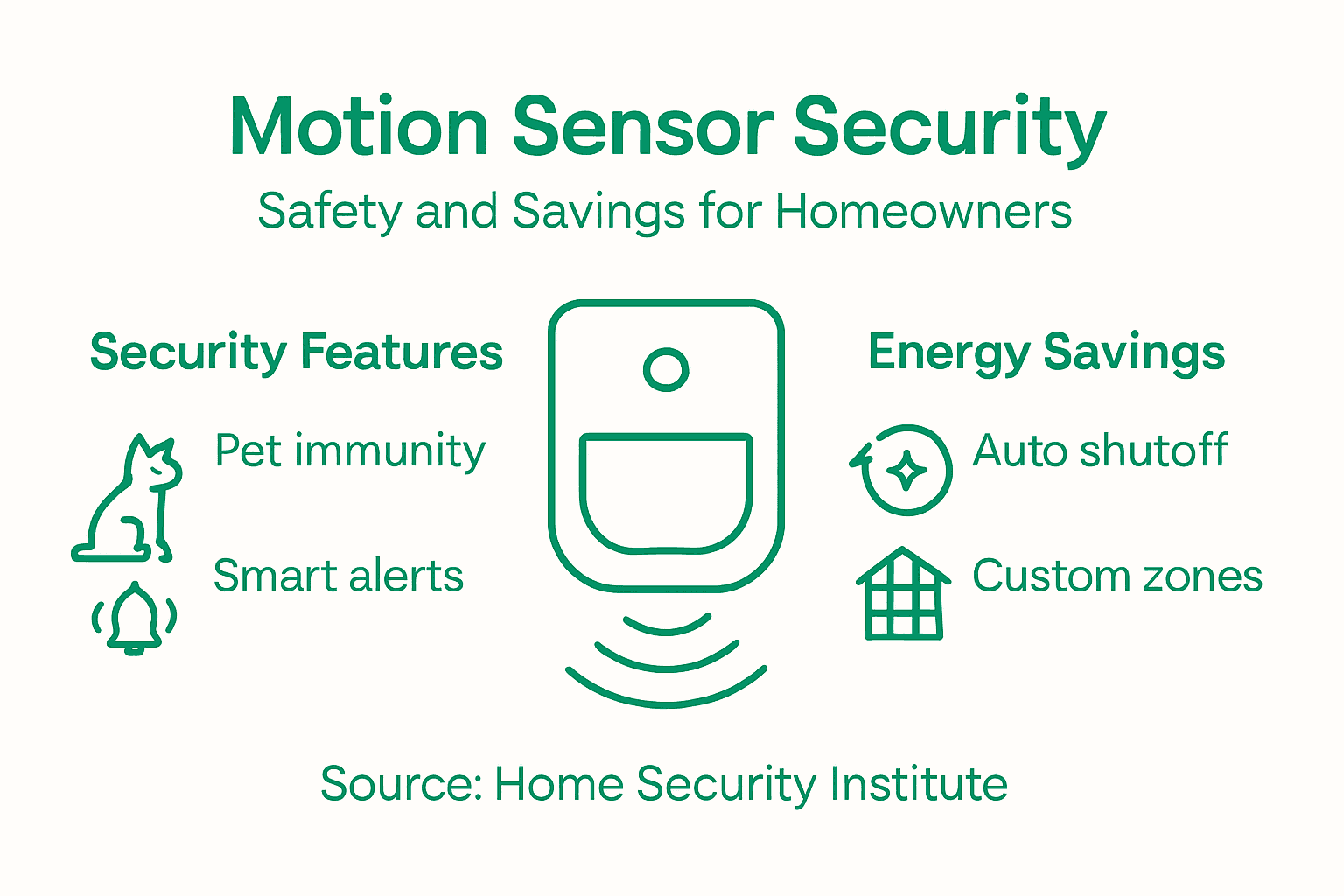
Pro Tip: Experiment with your motion sensor light placement and sensitivity settings to find the optimal balance between security coverage and avoiding unnecessary activations.
Residential motion sensor systems offer sophisticated protection by incorporating advanced technologies designed to enhance home security and provide peace of mind. These intelligent systems go beyond simple movement detection, integrating multiple features that create a comprehensive security solution tailored to modern homeowners’ needs. The most effective motion sensors combine cutting-edge detection capabilities with smart home compatibility and user-friendly interfaces.
The core features of residential security motion sensors include precise detection mechanisms that minimize false alarms while maximizing protection. Sensitivity adjustments allow homeowners to customize their system’s responsiveness, distinguishing between genuine security threats and benign movements like pet activity. Home security motion detection relies on several key technological capabilities:
Detection Range
Technology Integration
Environmental Adaptability
Alert Mechanisms
Power and Connectivity
Advanced motion sensors now offer nuanced features like pet immunity, which prevents false alarms from small animal movements, and dual-technology sensors that cross-verify movement through multiple detection methods. These innovations provide homeowners with increasingly sophisticated tools for protecting their living spaces.
Pro Tip: Conduct a comprehensive home security assessment to identify optimal motion sensor placement, ensuring maximum coverage while minimizing potential false triggers.
Motion sensor system costs vary widely, ranging from budget-friendly wireless options to comprehensive professional installation packages. Homeowners can expect to invest between $50 and $500 depending on the complexity of their chosen system, with DIY wireless models offering the most economical entry point. Professional installation typically adds $100 to $300 to the overall expense, making careful planning and research crucial for budget-conscious consumers.
Proper installation requires strategic planning and attention to detail. Motion sensor placement techniques are critical for maximizing home security effectiveness. Key installation considerations include:
Mounting Height
Strategic Placement
Avoiding False Triggers
Coverage Considerations
Common installation mistakes can significantly compromise system effectiveness. Homeowners frequently encounter issues like improper sensor height, inadequate coverage, and neglecting environmental factors. Wireless sensors offer easier installation, but wired systems might require professional expertise to ensure optimal performance and integration with existing home security infrastructure.
Below is a summary of potential installation mistakes and their impact on home security:
| Mistake | Likely Impact | How to Prevent |
|---|---|---|
| Incorrect mounting height | Missed detections, frequent false alarms | Measure and follow guidelines |
| Ignoring blind spots | Unsecured areas, vulnerable entry points | Map out room coverage |
| Near heat sources | Increased false positives | Position away from HVAC |
| Poor wireless placement | Signal drop or delayed alerts | Test connectivity before mounting |
Pro Tip: Conduct a comprehensive home walkthrough before installation, marking potential sensor locations and testing detection angles to identify and eliminate potential blind spots.
The article highlights common challenges homeowners face such as false alarms, improper sensor placement, and balancing safety with energy efficiency. If you want to simplify home security while avoiding complex installations and costly mistakes, smart motion sensor lighting is an ideal solution. By using advanced technologies like Passive Infrared detection complemented with customizable settings, you can improve your home’s safety and enjoy significant energy savings.

Explore wireless, rechargeable options that install easily without tools at Try Illuminate. Our motion sensor lights feature daylight detection and adjustable tones so you only light up your space when needed. Take control today to reduce false triggers, illuminate critical areas safely, and cut down on wasteful energy use. Discover how modern lighting technology can transform your home security with convenience, comfort, and cost savings at https://tryilluminate.co. Visit now and experience hassle-free smart home illumination.
Motion sensors are electronic devices designed to detect movement within a designated area. They trigger alerts or actions based on either active or passive detection methods, enhancing security for homes and businesses.
Passive infrared (PIR) sensors detect heat signatures emitted by moving bodies, making them effective for indoor monitoring. They are one of the most common and cost-effective types of motion sensors available.
Key features include detection range, technology integration (smart home compatibility), environmental adaptability, alert mechanisms, and power options. Choosing sensors that meet your specific needs can enhance your home security.
To minimize false alarms, strategically place sensors away from heat sources, avoid direct sunlight, and consider room layouts. Using dual-technology sensors can also help reduce false alarms by verifying movement through multiple methods.

7 Best Examples of Wireless Lighting for Smart Homes
Discover 7 practical examples of wireless lighting for smart homes. Learn easy DIY tips to improve energy efficiency, safety, and ambiance in your living spaces.
Read more
Role of Lighting in Home Automation: Energy, Safety, and Ambiance
Learn how modern lighting drives home automation, boosts energy efficiency, enhances safety, and transforms ambiance with wireless smart tech solutions.
Read more