

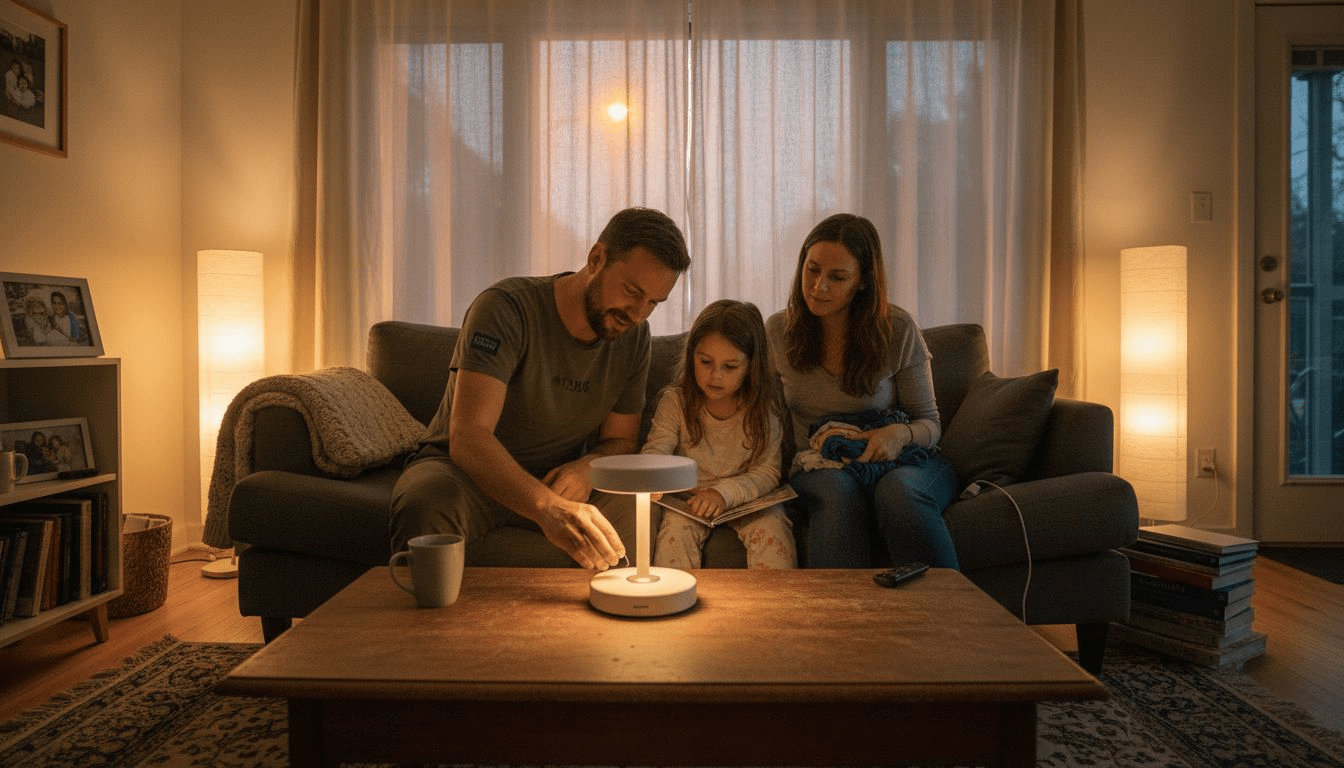
Choosing how to light each room can be frustrating when you want both energy savings and modern style. As more homeowners look for ways to enhance safety and create welcoming ambiance, rechargeable lights with advanced LED technology offer a flexible solution. Unlike traditional fixtures, these devices need no wiring and work even during power outages. Discover how portable illumination transforms everyday spaces and supports an eco-friendly, tech-forward home.
| Point | Details |
|---|---|
| Rechargeable Lights vs. Traditional | Rechargeable lights offer flexibility, efficiency, and portability, breaking away from the constraints of traditional wired lighting systems. |
| Types and Applications | Diverse types such as flashlights, desk lamps, and camping lights cater to various needs and environments, enhancing user convenience. |
| Energy Efficiency | Utilizing advanced LED technology, rechargeable lights significantly reduce electricity consumption, making them environmentally friendly options. |
| Safety and Maintenance | Proper product selection and adherence to safety guidelines are essential to mitigate risks associated with rechargeable lights. |
Rechargeable lights represent a modern lighting solution that fundamentally transforms how we illuminate our living spaces. Unlike traditional lighting fixtures, these innovative devices combine portable power storage with energy-efficient LED technology, offering unprecedented flexibility and convenience.
At their core, rechargeable lights are battery-powered illumination devices that can be easily charged and used without constant electrical connection. LED lighting technology enables these lights to provide bright, consistent illumination while consuming minimal energy. The key differentiating factors include:
Traditional lighting typically relies on direct electrical connections or disposable batteries, whereas rechargeable lights break this paradigm. They leverage advanced battery technologies that allow users to place lighting solutions anywhere without complex wiring or electrical infrastructure. These lights can be quickly charged using USB ports, wall adapters, or solar panels, making them incredibly versatile for various home environments.
Here’s a side-by-side comparison of rechargeable lights versus traditional lighting options in home environments:
| Aspect | Rechargeable Lights | Traditional Lighting |
|---|---|---|
| Power Source | Built-in battery, USB, solar | Wired electrical grid |
| Installation | Flexible, wireless placement | Requires wiring, fixed spots |
| Energy Use | Highly efficient LEDs | Standard bulbs, higher usage |
| Mobility | Easily moved, portable | Stationary, rarely portable |
| Backup During Outage | Functions in power failures | Dependent on grid supply |
Portable Illumination Technology represents a significant leap from conventional lighting. By integrating efficient LED chips with compact rechargeable batteries, manufacturers have created lighting solutions that adapt to modern lifestyle needs. Wireless lighting innovations enable homeowners to transform spaces with minimal effort, creating dynamic and personalized lighting experiences.
Pro tip: Always choose rechargeable lights with lithium-ion batteries for longer runtime and faster charging capabilities.
Rechargeable lights represent a diverse category of portable illumination solutions designed to meet various home and personal lighting needs. Rechargeable lighting technologies encompass multiple types and designs, each tailored to specific applications and environments.
The primary types of rechargeable lights include:
Each type of rechargeable light integrates advanced features that distinguish them from traditional lighting solutions. Portable Illumination Technology typically includes:

For quick reference, here are some popular types of rechargeable lights and ideal use cases for each:
| Type | Common Application | Unique Benefit |
|---|---|---|
| Flashlight | Emergency power outage backup | Lightweight, portable |
| Desk Lamp | Home office, study corner | Adjustable brightness, compact |
| Camping Lantern | Outdoor adventures, tents, yards | Long runtime, weatherproof |
| Decorative Lamp | Mood lighting, living spaces | Creates ambiance, wireless |
Battery Performance is a critical consideration in rechargeable lights. Modern designs offer impressive runtime and quick charging capabilities, with innovative charging mechanisms that maximize electrical efficiency and user convenience.
Rechargeable lights represent more than just a lighting solution – they’re a flexible, energy-conscious approach to illumination that adapts to modern lifestyle needs.
Pro tip: When selecting a rechargeable light, prioritize models with multiple charging options and adjustable brightness for maximum versatility.
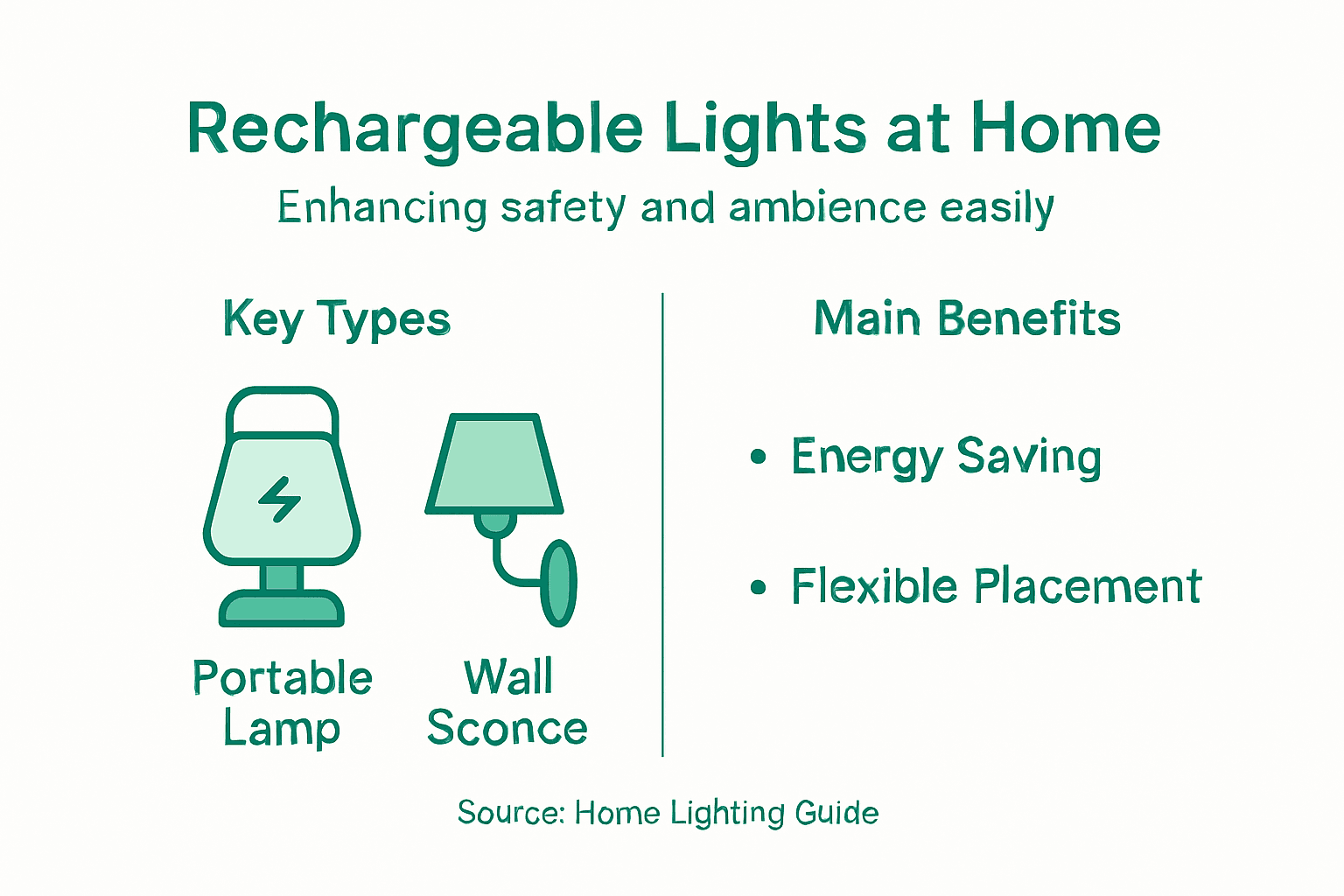
Rechargeable lighting systems transform home illumination through sophisticated integrated technologies that provide flexibility and continuous power. These innovative lighting solutions combine multiple components to create a seamless, user-friendly experience that adapts to various home environments and lighting needs.
The core operational mechanism of rechargeable lights involves several key components:
When plugged into a power source, these lights simultaneously charge their internal batteries and provide illumination. The intelligent design allows for seamless power transitions during electrical interruptions, ensuring continuous lighting without manual intervention.
Dual-Mode Operation represents the most significant advancement in rechargeable home lighting. This technology enables lights to function both when connected to a power outlet and when operating independently on battery power. The switching mechanism happens automatically, providing uninterrupted illumination and exceptional convenience for homeowners.
Rechargeable lights eliminate the constraints of traditional wired lighting, offering unprecedented flexibility in home illumination design.
Pro tip: Position your rechargeable lights near electrical outlets to ensure convenient and consistent charging between uses.
Cordless lighting solutions revolutionize home illumination by offering unprecedented flexibility and efficiency for modern homeowners. These innovative lighting technologies solve traditional lighting challenges while enhancing both safety and aesthetic appeal across various living spaces.
Homeowners can leverage rechargeable lights in multiple practical scenarios:
Energy Efficiency represents a significant advantage of rechargeable lighting systems. By utilizing advanced LED technology and intelligent battery management, these lights consume substantially less electricity compared to traditional lighting solutions. The environmental and cost-saving benefits make them an attractive option for environmentally conscious homeowners seeking to reduce their carbon footprint.
Rechargeable lights transform home lighting from a static infrastructure to a dynamic, adaptable system that responds to your changing needs.
Pro tip: Invest in rechargeable lights with multiple brightness settings to maximize versatility across different home environments.
Rechargeable electronics safety demands careful consideration to protect both financial investment and personal safety. While rechargeable lights offer significant advantages, consumers must navigate potential risks associated with battery technology and product quality.
Key safety considerations for homeowners include:
Cost Analysis reveals that while initial investments in rechargeable lights might be higher, long-term savings can be substantial. Rechargeable electronics management requires understanding potential financial implications beyond the purchase price, including maintenance, replacement, and potential safety-related expenses.
Careful product selection and maintenance can dramatically reduce risks associated with rechargeable lighting technologies.
Pro tip: Register your rechargeable lighting products with manufacturers to receive timely safety updates and recall notifications.
Rechargeable lights offer a dynamic solution to common home lighting challenges such as emergency backup, flexible placement, and energy efficiency. If you want to eliminate wiring hassles while enhancing your home’s safety and ambiance, exploring modern options like motion sensor lights and adjustable LED strips can make all the difference. These smart, wireless lights adapt to your lifestyle by providing consistent illumination when you need it most and conserving energy when you don’t.
Experience how easy it is to transform your living space with DIY-friendly, rechargeable lighting solutions. Visit All Products to discover versatile fixtures designed for quick installation and long-term use. For finishing touches that match perfectly, check out our Stylish Accessories to match our lights. Don’t wait to enhance both your home’s safety and atmosphere—start your smart lighting upgrade today at https://tryilluminate.co.
Rechargeable lights provide flexibility and convenience by eliminating the need for fixed wiring. They are energy-efficient, portable, and can serve as reliable backup lighting during power outages. Additionally, they enhance the ambiance of your living spaces with various designs and brightness settings.
Rechargeable lights typically have built-in batteries that allow them to function independently of the electrical grid. They can automatically switch to battery power when a power outage occurs, ensuring continuous illumination.
Rechargeable lights come in various types, including flashlights, desk lamps, work lights, headlamps, decorative lamps, and camping lights. Each type is designed for specific uses, such as task lighting or mood enhancement.
To maximize the lifespan of your rechargeable lights, ensure you charge them with the appropriate equipment, avoid extreme temperatures during storage, and regularly inspect your charging cables for damage. Choosing models with smart charging circuits can also help protect battery health.

How to Upgrade Home Lighting for Smart Automation Easily
Learn how to upgrade home lighting step by step with smart, energy-efficient solutions for wireless installation. Improve safety and ambiance in your home quickly.
Read more
How to Install Motion Sensor Lights for Smart Homes Easily
Learn how to install motion sensor lights step-by-step for your home. Achieve effortless security, energy savings, and modern ambiance with these simple instructions.
Read more