

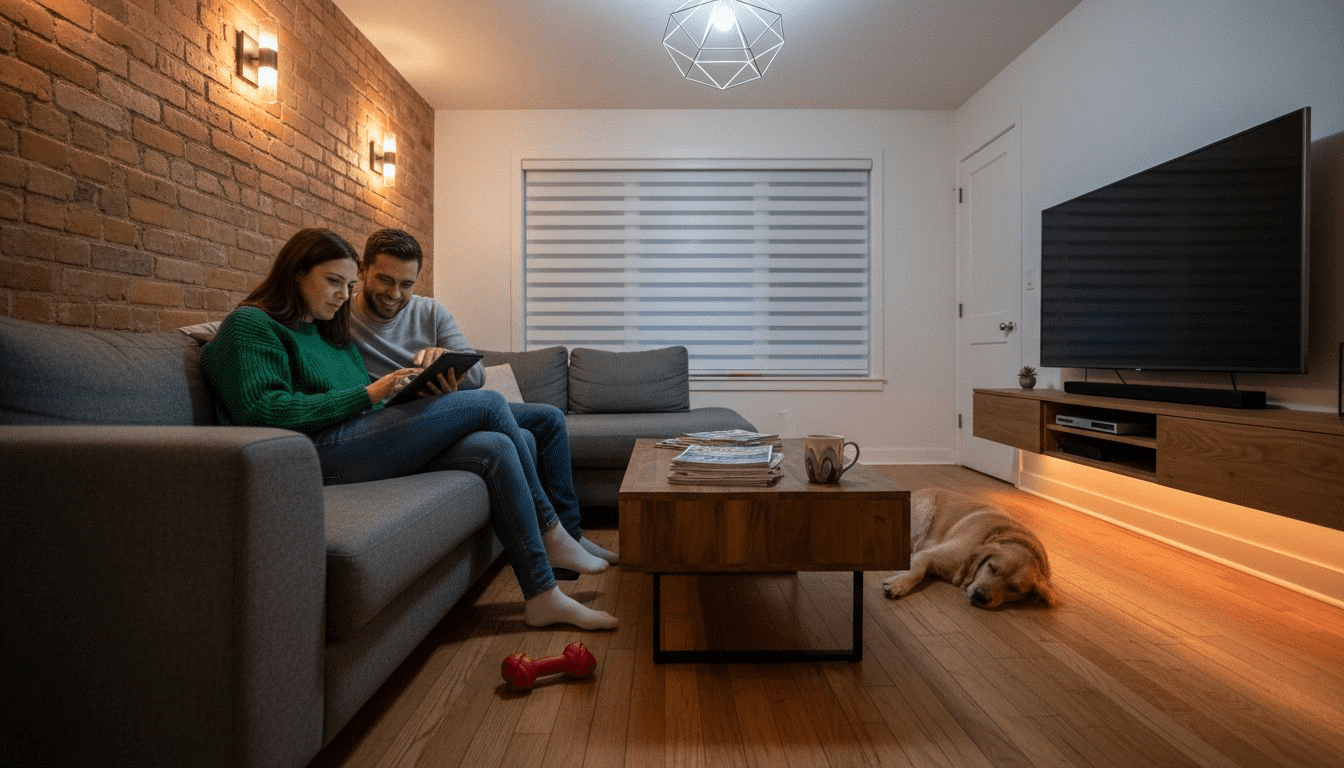
Choosing the right lighting for your home can feel overwhelming with so many options available. The difference between cold, harsh spaces and warm, welcoming rooms often comes down to lighting design. Good news: you can create comfort, improve safety, and highlight your home’s best features with the right strategies. This guide reveals practical, step-by-step ways to use ambient, task, and accent lighting for balanced illumination, greater functionality, and standout style. Get ready to discover actionable tips that turn ordinary rooms into inviting spaces using smart lighting choices.
| Key Insight | Explanation |
|---|---|
| 1. Use Warm Color Temperatures | Fixtures between 2700K and 3000K create a cozy atmosphere that mimics natural light in your home. |
| 2. Incorporate Smart Controls | Dimmable switches and motion sensors allow dynamic lighting adjustments to fit various activities and enhance energy efficiency. |
| 3. Prioritize Task Lighting for Safety | Focused illumination on work surfaces minimizes shadows and prevents eye strain, improving functionality in key areas. |
| 4. Strategically Place Accent Lighting | Use accent lighting to highlight architectural features and artwork, adding depth and visual interest to your space. |
| 5. Embrace Rechargeable Wireless Fixtures | These versatile lights eliminate wiring constraints, making it easy to reposition and use in any desired location. |
Ambient lighting creates the foundational illumination that transforms a house into a warm, welcoming home. This gentle, uniform lighting serves as the primary layer of illumination, providing soft and consistent brightness that makes every room feel comfortable and balanced.
Understanding how ambient lighting works is key to creating a truly inviting living space. Whole-home illumination strategies involve selecting fixtures that distribute light evenly, minimizing harsh shadows and glare while maximizing the perception of space and comfort. Think of ambient lighting as the visual equivalent of a soft, cozy blanket that wraps around your entire home.
Implementing effective ambient lighting involves strategic placement of ceiling fixtures, wall sconces, and soft recessed lights that provide a consistent glow. The goal is to create a base layer of illumination that feels natural and unobtrusive. Opt for fixtures with warm color temperatures between 2700K and 3000K to generate a welcoming atmosphere that mimics natural daylight without feeling clinical or harsh.
Smart homeowners can enhance ambient lighting by incorporating dimmable controls and motion sensors. These technologies allow you to adjust light levels based on time of day, occupancy, and specific activities. By using lighting automation techniques, you can create dynamic environments that adapt to your lifestyle while simultaneously reducing energy consumption.
Pro Tip: Install smart LED bulbs with adjustable color temperatures to effortlessly transition your home’s ambient lighting from energizing morning tones to relaxing evening warmth.
Task lighting transforms how you interact with specific areas in your home by providing targeted, high-intensity illumination exactly where you need it most. These precision lighting solutions help you perform detailed activities with enhanced visibility and reduced eye strain.
Layer lighting techniques reveal that task lighting goes beyond simple brightness it strategically illuminates work surfaces to improve functionality and safety. Whether youre chopping vegetables in the kitchen, reading a book in your favorite chair, or working on a craft project, targeted lighting makes every task easier and more comfortable.
Practical implementation of task lighting involves selecting adjustable fixtures that can be positioned precisely where you need focused light. Under cabinet lights in kitchens, adjustable desk lamps, pendant lights over kitchen islands, and reading lights beside chairs are all excellent examples of task lighting that dramatically improve home functionality.
The key is creating localized illumination that prevents shadows and provides adequate brightness without causing glare. Choose fixtures with adjustable arms, dimmable capabilities, and color temperatures that support your specific activity. Warm white lights around 3000K work well for relaxing tasks, while cooler 4000K lights support more detailed work requiring sharp visual acuity.
Pro Tip: Install motion sensor task lights in high use areas like kitchen counters and home offices to automatically illuminate your workspace when you approach.
Accent lighting is the secret weapon of interior design that transforms ordinary spaces into extraordinary showcases. By strategically directing light, you can dramatically elevate the visual drama and aesthetic appeal of your home.
Layer lighting techniques demonstrate how accent lighting creates depth and visual interest by drawing attention to specific architectural elements or cherished decorative pieces. Think of accent lighting as the spotlight that makes certain features in your home truly shine.
Implementing accent lighting requires thoughtful placement and selection of fixtures. Wall sconces can beautifully illuminate artwork, track lighting can highlight sculptural elements, and carefully positioned recessed lights can draw attention to textured walls or unique architectural details. The goal is to create visual hierarchy and guide the viewers eye exactly where you want it to go.
Smart homeowners use accent lighting not just for aesthetics but also for functionality. LED fixtures with adjustable brightness and color temperature allow you to create dynamic environments that can shift mood and perception. A painting can look dramatically different when illuminated with warm versus cool tones, giving you unprecedented control over your homes visual narrative.
Pro Tip: Use directional LED spotlights with adjustable beam angles to create museum quality lighting for artwork and architectural features, allowing you to precisely control illumination without damaging delicate items.
Motion sensor lights represent a smart technology that transforms home safety and energy management with minimal effort. These intelligent lighting solutions automatically activate when movement is detected, providing instant illumination exactly when and where you need it.
Motion sensor lighting advantages reveal how these devices seamlessly combine security and efficiency. Passive infrared sensors can detect human movement within specific ranges, triggering lights in hallways, garages, exterior pathways, and other critical areas without manual intervention.
Practical applications of motion sensor lights extend far beyond simple convenience. Outdoor installations can deter potential intruders by suddenly illuminating dark areas, while indoor sensors can guide you safely through dimly lit spaces like staircases or hallways. The technology is particularly valuable for families with children, elderly residents, or anyone navigating home spaces during nighttime hours.
Implementing motion sensor lights requires strategic placement to maximize effectiveness. Consider installing them near entry points, along walkways, in basement areas, and around exterior building perimeters. Modern sensors can be calibrated to adjust sensitivity, duration of illumination, and even light intensity, allowing you to customize their performance to your specific needs.
Pro Tip: Choose motion sensor lights with adjustable detection ranges and multiple sensitivity settings to prevent false triggers from pets or moving foliage while ensuring comprehensive home coverage.
LED strip lights are the Swiss Army knife of home lighting solutions, offering unprecedented versatility and creativity in design. These remarkable flexible circuits with adhesive backing can transform any space with their chameleon-like ability to adapt to unique architectural features and personal style preferences.
Unique lighting applications demonstrate how LED strips revolutionize interior design by providing targeted illumination in ways traditional fixtures cannot. Their slim profile and directional light output allow homeowners to highlight architectural details, create ambient mood lighting, and solve challenging illumination problems in tight or unconventional spaces.
Practical applications for LED strip lights are virtually limitless. Install them under kitchen cabinets for task lighting, behind televisions for ambient glow, along stair risers for safety, inside closets for improved visibility, or around bathroom mirrors for enhanced grooming light. Many modern LED strips offer color changing capabilities, smartphone app controls, and waterproof options that expand their potential uses.
Smart homeowners appreciate that LED strips are not just decorative but also energy efficient. Their low power consumption, long lifespan, and ability to provide precise directional lighting make them an intelligent choice for modern home design. Choose strips with high color rendering index ratings to ensure true color representation and look for options with strong adhesive backing for seamless installation.
Pro Tip: Select LED strips with removable adhesive backing and modular design to experiment with placement without permanently damaging walls or surfaces.
Rechargeable wireless lighting fixtures represent the cutting edge of home illumination technology, offering unprecedented flexibility and freedom from traditional electrical constraints. These innovative lighting solutions eliminate complex wiring while providing powerful, portable illumination wherever you need it.
Wireless lighting benefits demonstrate how modern technology transforms home lighting into a more adaptable and user friendly experience. Advanced solid state lighting technologies enable compact fixtures that can be easily moved, repositioned, and charged without the hassle of permanent installation or complicated electrical work.
Practical applications for rechargeable wireless fixtures are incredibly diverse. Use them in areas without convenient electrical outlets like outdoor patios, camping sites, emergency kits, or remote work spaces. Portable reading lights, motion sensor night lights, under cabinet illumination, and decorative accent lighting can all be powered through modern rechargeable technologies that provide hours of consistent brightness.
Smart homeowners appreciate these fixtures for their energy efficiency, convenience, and versatility. Many modern rechargeable lights feature USB charging, multiple brightness settings, color temperature adjustments, and extended battery life. Look for options with quick charging capabilities and lithium ion batteries that can maintain power for extended periods.
Pro Tip: Invest in rechargeable wireless fixtures with universal USB charging to ensure compatibility and reduce the number of proprietary chargers in your home.
Smart lighting controls represent the pinnacle of home illumination technology, transforming how homeowners interact with their living spaces through intelligent, intuitive automation. These sophisticated systems go far beyond simple on and off switches, offering unprecedented control and customization of your home’s lighting environment.
Home lighting automation strategies reveal how integrated digital networks can optimize energy consumption, enhance safety, and create personalized ambiance with minimal user intervention. Smart lighting controls leverage occupancy sensors, daylight harvesting technologies, and advanced scheduling to deliver lighting precisely when and where you need it.
Practical applications of smart lighting controls are remarkably diverse. Imagine lights that automatically dim when you start watching a movie, gradually brighten to simulate natural sunrise, or turn on security illumination when unexpected motion is detected. Smartphone apps and voice assistants allow you to control entire lighting ecosystems with simple voice commands or touch screen interfaces, giving you complete command over your home’s illumination.
Modern smart lighting systems integrate seamlessly with IoT platforms, enabling complex automation scenarios. They can synchronize with your daily schedule, adjust based on external weather conditions, and even respond to your personal mood or activity. Energy conscious homeowners appreciate how these systems can significantly reduce electricity consumption by ensuring lights are never accidentally left on.
Pro Tip: Choose smart lighting systems with geofencing capabilities that automatically adjust your home’s lighting based on your smartphone’s location, ensuring maximum convenience and energy efficiency.
Below is a comprehensive table summarizing the key lighting principles, strategies, and benefits discussed throughout the article.
| Lighting Type | Description | Benefits and Recommendations |
|---|---|---|
| Ambient Lighting | Provides uniform, soft, consistent brightness. | Creates a welcoming atmosphere; use 2700K-3000K fixtures; consider dimmable controls and motion sensors for adaptability. |
| Task Lighting | Offers targeted, high-intensity illumination for specific tasks. | Improves visibility and reduces strain; employ adjustable fixtures like under-cabinet lights or desk lamps. |
| Accent Lighting | Highlights architectural features and decorative elements. | Generates visual interest; utilize LED spotlights with adjustable angles for precision. |
| Motion Sensor Lights | Activates upon detecting movement, enhancing safety. | Contributes to energy efficiency; install strategically in pathways and entrances. |
| LED Strip Lights | Provides flexible and customizable illumination solutions. | Enhances design creativity; suitable for cabinets, closets, and mirrors. Opt for high color rendering index ratings. |
| Rechargeable Wireless Fixtures | Portable lighting with no electrical constraints. | Convenient for temporary setups; prioritize fixtures with USB charging and extended battery life. |
| Smart Lighting Controls | Enables full automation for personalized lighting environments. | Improves energy savings; incorporate geofencing and scheduling for enhanced functionality. |
Struggling to balance comfort, safety, and energy efficiency in your home lighting? This article breaks down essential types like ambient, task, accent, and motion sensor lighting to elevate your living areas. If you want hassle-free upgrades that enhance functionality and mood effortlessly, our Smart Motion Sensor Lights Collection offers perfect wireless and rechargeable options designed for seamless installation without electrical expertise. Take control of your home lighting with energy-saving, smart features such as adjustable tones and motion activation.
Discover how easy it is to transform your spaces by visiting tryilluminate.co for innovative lighting fixtures that combine style and convenience. Explore best sellers that customers love for quick improvements and create a safer, smarter home environment now by choosing smart lighting that works with your lifestyle.
Ambient lighting, task lighting, accent lighting, motion sensor lights, LED strip lights, rechargeable wireless fixtures, and smart lighting controls are the seven types of home lighting every smart homeowner should know. Understand their functions to create a well-lit, efficient home environment.
Incorporating motion sensor lights is an effective way to enhance home safety. Install these lights around entry points and pathways to automatically illuminate areas when movement is detected, helping deter intruders and guiding you safely through dim spaces.
Smart lighting controls provide convenience and energy efficiency by automating your lighting based on your needs. Explore settings like timers and occupancy sensors to effortlessly adjust your home’s lighting according to your schedule.
Task lighting focuses illumination on specific work areas, enhancing visibility and comfort while performing detailed activities. Position adjustable fixtures, such as desk lamps and under-cabinet lights, in areas where you frequently work or need additional light.
Accent lighting highlights specific architectural features or decorative elements, adding depth and interest to your spaces. Use directional spotlights or wall sconces to draw attention to artwork and features to enhance the overall aesthetic appeal of your home.
Using LED strip lights offers remarkable versatility for your lighting design. Install these flexible lights in various spots like under furniture or along staircases to create customized lighting solutions tailored to your style and needs.

Smart Lighting Terminology: What Homeowners Must Know
Smart lighting terminology explained for homeowners: learn key terms, wireless tech, real-world uses, savings, and pitfalls to avoid in modern home lighting.
Read more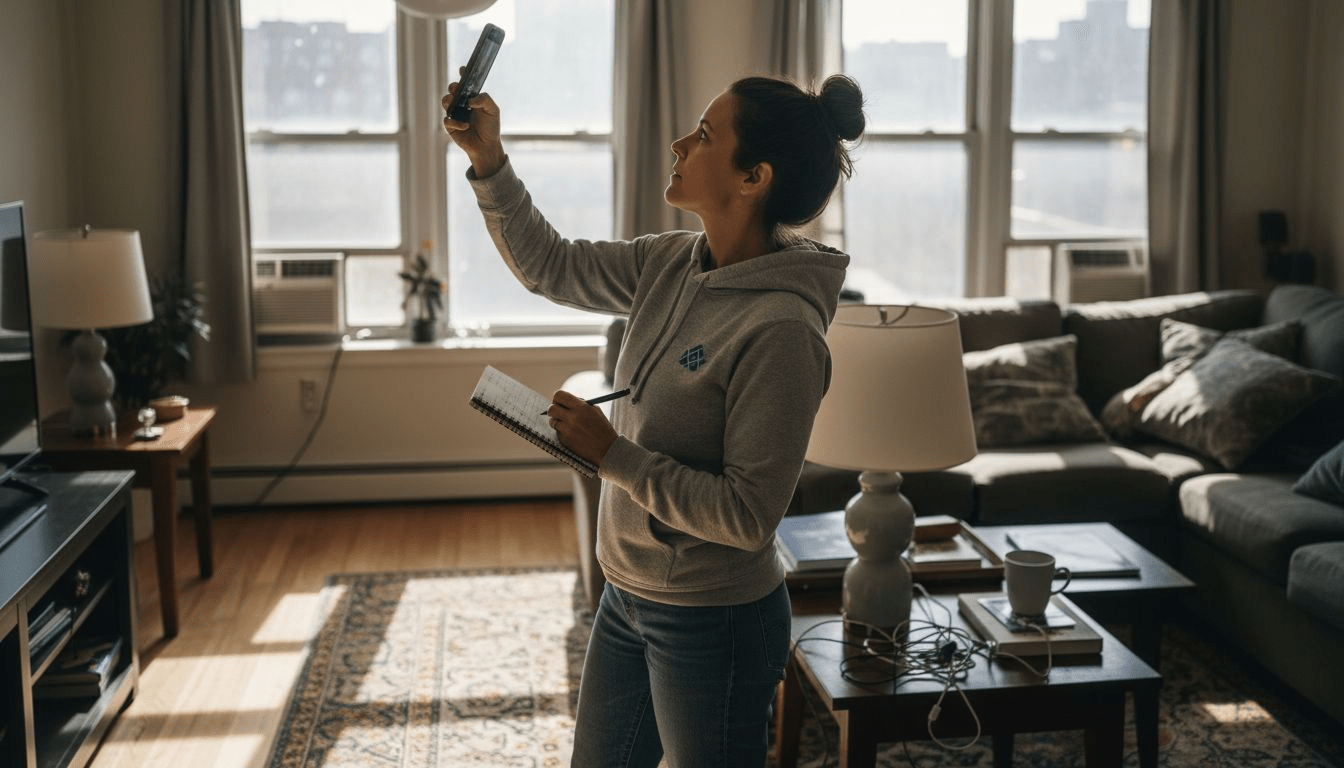
How to Upgrade Home Lighting for Smart Automation Easily
Learn how to upgrade home lighting step by step with smart, energy-efficient solutions for wireless installation. Improve safety and ambiance in your home quickly.
Read more