


Choosing the right lighting for your home is about more than just brightening up a room. For many city homeowners, balancing comfort, safety, and energy savings is a daily priority. Modern home lighting blends smart technology with thoughtful design, offering easy-to-install solutions that adapt to your lifestyle. Discover how the latest lighting strategies can support your well-being, create the perfect ambiance, and help lower your electricity costs without sacrificing style or convenience.
| Point | Details |
|---|---|
| Modern Lighting Enhancements | Modern home lighting combines technology, design, and well-being, impacting health beyond just visibility. |
| Smart Integration Benefits | Smart lighting solutions offer automation, energy efficiency, and enhanced user control through various technologies. |
| Cost and Energy Savings | Implementing smart lighting can significantly reduce electricity consumption and lower maintenance costs, providing long-term financial benefits. |
| Safety and Security Improvements | Advanced lighting systems enhance home safety through motion detection and automated responses, creating a secure living environment. |
Modern home lighting transcends basic illumination, representing a sophisticated integration of technology, design, and human well-being. Traditional perspectives viewed lighting merely as a functional necessity, but emerging research reveals a more nuanced understanding. Circadian rhythm considerations demonstrate that lighting profoundly impacts our physical and mental health beyond simple visibility.
Contrary to common misconceptions, contemporary home lighting involves multiple strategic dimensions:
People often assume lighting is a one-dimensional concept, but scientific research proves otherwise. Color temperature and light intensity play crucial roles in physiological responses. For instance, warmer tones can promote relaxation, while cooler temperatures might enhance alertness and concentration.
Lighting Technologies have evolved dramatically, moving from passive illumination to interactive, intelligent systems. Modern solutions integrate motion sensors, adaptive brightness, and programmable color spectrums that respond dynamically to human presence and environmental conditions.
Pro tip: Consider replacing traditional bulbs with smart LED alternatives that offer customizable color temperatures and automated scheduling to support your natural circadian rhythms.
Smart lighting technologies have revolutionized home illumination, offering far more than traditional on/off switches. Wireless sensor networks enable sophisticated lighting systems that adapt dynamically to human behavior and environmental conditions.
The primary categories of smart lighting solutions include:
Wireless Communication Protocols play a crucial role in smart lighting functionality. Different technologies like ZigBee, WiFi, and Bluetooth offer varying ranges of control and integration capabilities. Smart lighting systems can now integrate multiple sensors to create incredibly responsive environments that optimize both energy efficiency and user comfort.
Energy efficiency remains a primary advantage of smart lighting solutions. By utilizing advanced LED technology and intelligent control mechanisms, these systems can reduce electricity consumption by up to 80% compared to traditional lighting approaches. Adaptive brightness, automatic shutoff, and precise environmental monitoring transform lighting from a simple utility to an intelligent home management tool.
Pro tip: When selecting smart lighting, prioritize systems with multiple communication protocols and comprehensive sensor integration to maximize flexibility and energy savings.
Here’s a quick reference comparing the major smart lighting solution types and their primary home benefits:
| Solution Type | Key Advantage | Typical Use Case | Integration Potential |
|---|---|---|---|
| Motion Sensor Lighting | Boosts convenience | Entryways and hallways | Pairs with security systems |
| Color-Changing LEDs | Enhances ambiance | Living and bedrooms | Links with mood automation |
| Voice-Control Systems | Simplifies control | Whole-house management | Works with smart assistants |
| Occupancy-Based Lights | Improves energy savings | Home offices, bathrooms | Allows zone automation |
| Circadian Rhythm LEDs | Supports well-being | Bedrooms and offices | Integrates with sleep apps |
Wireless sensor technologies have transformed home lighting from passive illumination to an intelligent, responsive system. Modern smart lighting goes beyond simple on/off functionality, integrating advanced sensors and communication protocols that adapt dynamically to human behavior and environmental conditions.
Key technological components of smart lighting systems include:
Automation Technologies represent the core innovation in smart lighting. These systems can now create complex rules for lighting behavior, such as gradually dimming lights during evening hours, mimicking natural sunset patterns, or automatically switching off in unoccupied rooms. Centralized wireless control allows for real-time monitoring and precise energy management, significantly reducing electricity consumption.

The integration of multiple sensor types creates unprecedented lighting intelligence. Advanced systems combine motion detection, ambient light measurement, and user preferences to create seamless, energy-efficient environments that enhance both comfort and safety. These technologies represent a quantum leap from traditional lighting, transforming illumination from a static utility to an adaptive, responsive home management tool.
Pro tip: When evaluating smart lighting systems, prioritize solutions with multi-sensor capabilities and open communication protocols to ensure maximum flexibility and future upgradability.
Residential energy savings strategies reveal significant potential for reducing electricity costs through intelligent lighting technologies. Smart lighting systems represent more than a technological upgrade - they are a strategic approach to managing home energy consumption with precision and adaptability.
Key financial benefits of smart lighting include:
Intelligent Energy Management transforms traditional lighting from a static expense into a dynamic cost-control mechanism. Artificial neural networks now enable sophisticated prediction and optimization of lighting energy consumption, allowing homeowners to make data-driven decisions about their electrical usage. These advanced systems can automatically adjust brightness, detect occupancy, and minimize unnecessary energy expenditure.
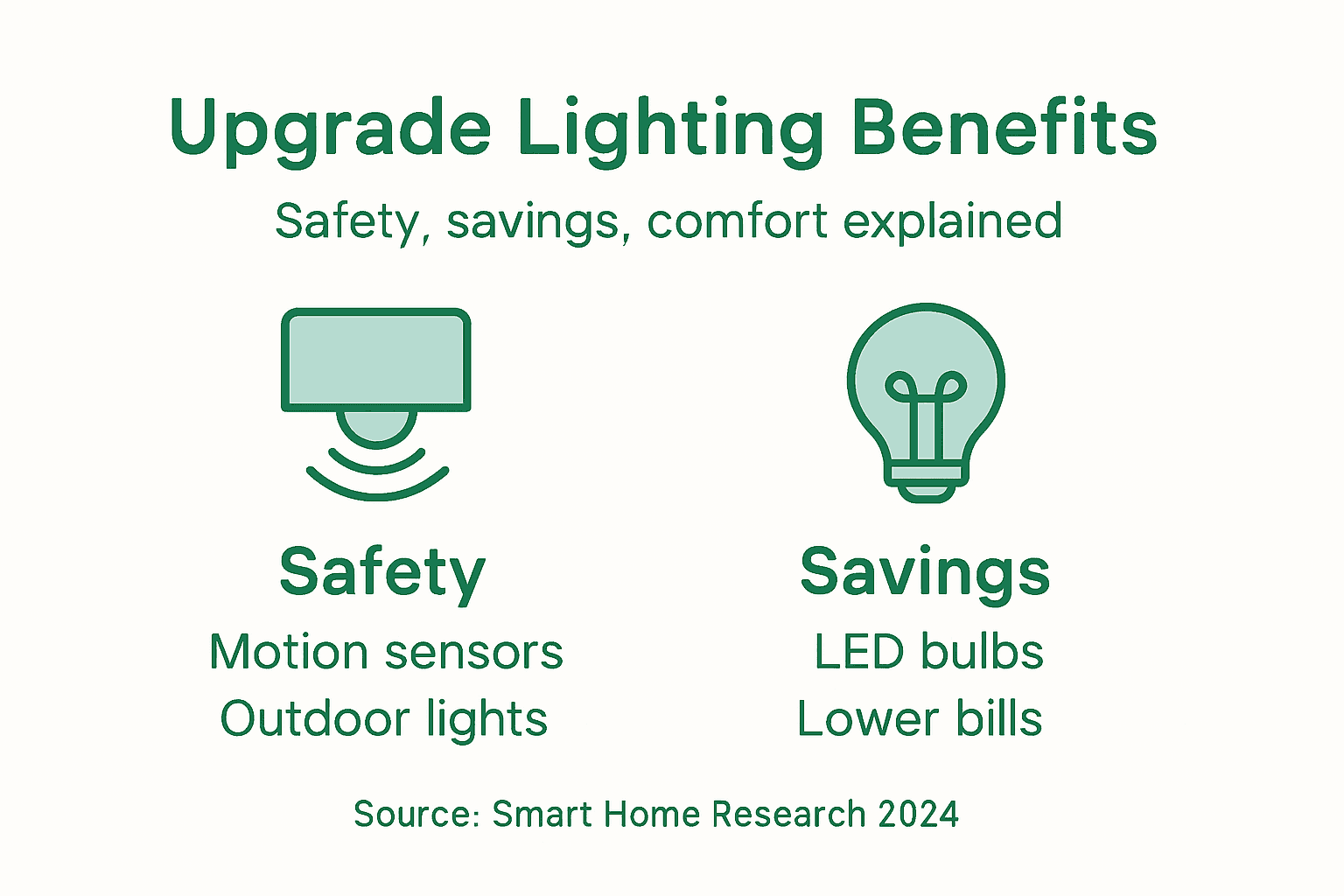
The financial implications extend beyond direct electricity savings. Smart lighting technologies contribute to overall home efficiency by integrating with other smart home systems, creating a comprehensive approach to energy management. The initial investment in smart lighting can be rapidly recovered through consistent, incremental savings and increased home value.
Pro tip: Calculate potential energy savings by comparing your current lighting electricity consumption with projected smart lighting efficiency to justify the initial technology investment.
To help with energy-saving decisions, here’s a summary of how smart lighting impacts different cost areas:
| Cost Area | Impact of Smart Lighting | Long-term Benefit |
|---|---|---|
| Electricity Bills | Reduced through automation | 20-80% lower annual spending |
| Maintenance Expenses | Decreased with durable LEDs | Fewer bulb replacements needed |
| Home Value | Increased with upgrades | Higher resale and appraisal value |
| Tax Incentives | Rebates for efficient systems | Easier investment justification |
Smart connected lighting systems transform home safety from passive protection to an intelligent, responsive security strategy. Modern lighting technologies go far beyond traditional illumination, actively contributing to both personal safety and environmental comfort.
Key safety and security enhancements include:
Psychological Safety Factors play a crucial role in home lighting design. Lighting color temperatures can significantly influence perceived safety and emotional well-being. Warmer tones create a sense of comfort and security, while cooler illumination enhances alertness and visibility, allowing homeowners to design environments that feel both safe and welcoming.
Smart lighting technologies enable unprecedented levels of personalized security. Advanced systems can integrate with home security platforms, creating multilayered protection strategies that respond dynamically to environmental changes. By combining sensor technologies, wireless communication, and intelligent programming, these solutions transform lighting from a basic utility into a comprehensive safety mechanism.
Pro tip: Position motion-activated lights strategically around entry points and dark corners to maximize both security coverage and energy efficiency.
Upgrading your home lighting means more than just changing bulbs. It addresses critical challenges like enhancing safety with motion-activated illumination, cutting energy costs through intelligent automation, and creating a warm, comfortable atmosphere tuned to your lifestyle. The article highlights how concepts like circadian rhythm-friendly lighting and wireless sensor integration improve well-being and convenience. If you want to eliminate dark hallways, reduce electricity bills, and enjoy smart lighting without complicated installation, our Smart Motion Sensor Lights Collection offers the perfect solutions.
Experience the difference of hassle-free, tool-free installation with rechargeable, wireless options designed for any room. Don’t wait to enhance your home’s ambiance and safety with energy-efficient technology that adapts to your needs. Visit https://tryilluminate.co now and explore our Best Sellers to find your ideal lighting upgrade. Take control of your home environment today and enjoy smart, sustainable illumination tomorrow.
Upgrading to smart lighting offers enhanced safety, significant energy savings, and improved comfort by allowing for customizable lighting that can adapt to your daily routines and preferences.
Smart lighting systems enhance home safety through features like motion detection to illuminate dark areas, programmable lighting to simulate occupancy, and perimeter monitoring to deter intruders.
Yes, smart lighting can significantly reduce electricity bills by optimizing energy consumption with automatic brightness adjustments, occupancy detection, and energy-efficient LED technologies, leading to potential savings of up to 80% compared to traditional lighting.
Lighting impacts comfort by influencing emotional states and well-being. Warmer tones can create a relaxing atmosphere, while cooler tones enhance alertness, allowing homeowners to create an environment that feels both welcoming and productive.
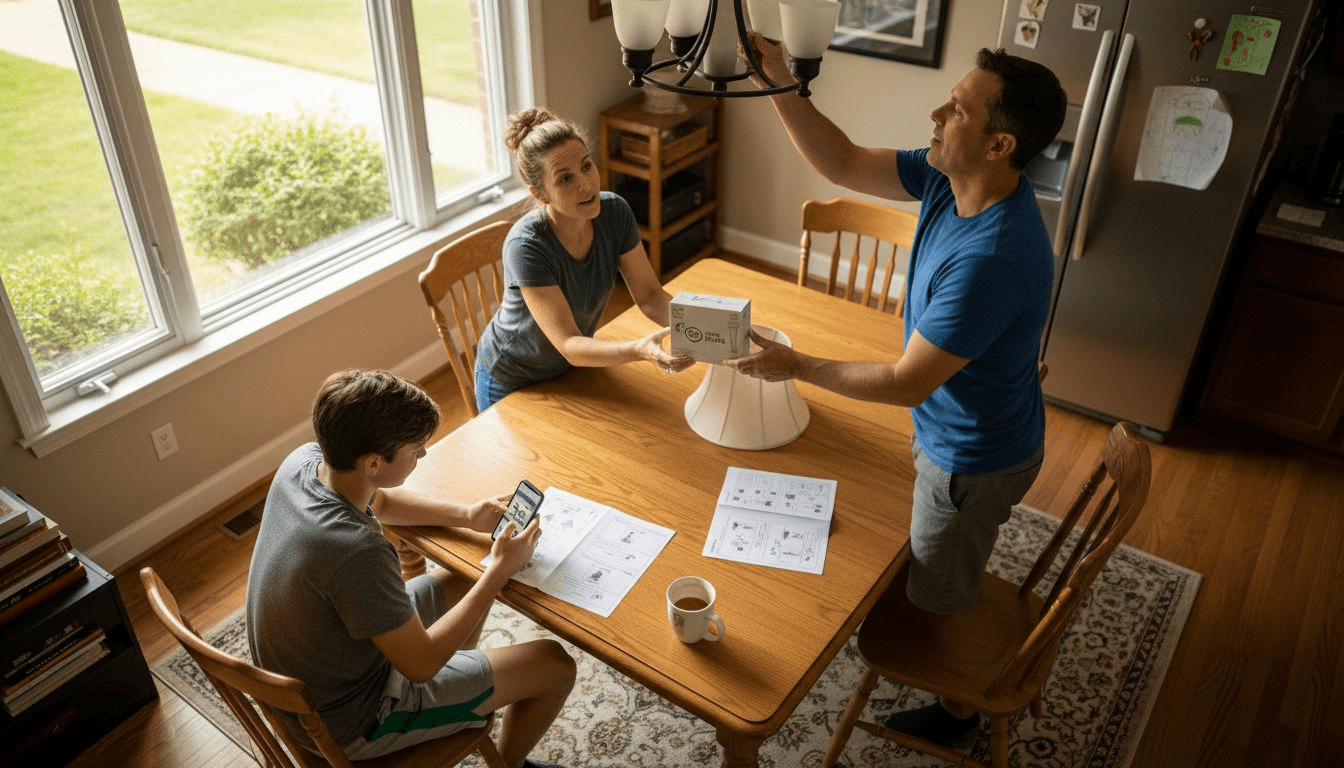
What Is DIY Smart Lighting and How It Transforms Homes
DIY smart lighting empowers homeowners with easy, tool-free installation, energy savings, automation, and safer, smarter living spaces.
Read more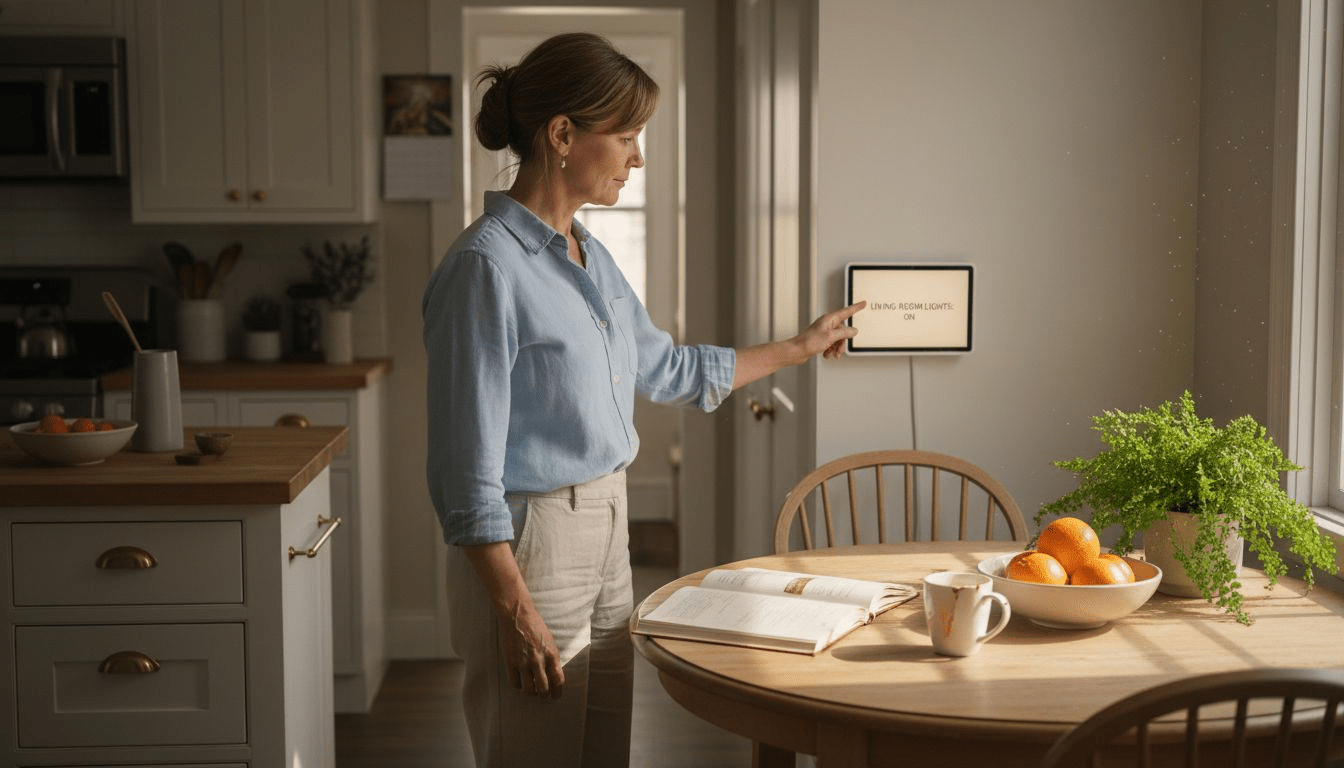
Why Upgrade to Wireless Lighting for Homes
Wireless lighting upgrade boosts energy efficiency, enhances safety, and simplifies installation. Learn about types, costs, key features, and smart automation.
Read more